2027 Election: CJN Kekere-Ekun Warns Judges Against Political Party Alliances
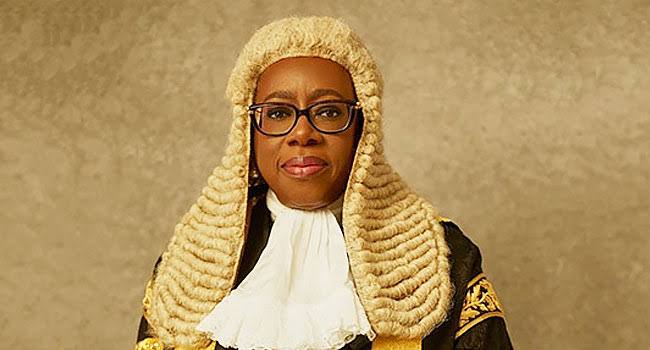
The Chief Justice of Nigeria (CJN), Justice Kudirat Kekere-Ekun, has issued a stern warning to judicial officers nationwide to avoid any form of improper relationship with political parties ahead of the 2027 general elections scheduled for January 2027.
Justice Kekere-Ekun emphasized that absolute impartiality is non-negotiable for the judiciary during the resolution of ensuing electoral disputes.
The CJN gave this charge on Monday in Abuja during a special session marking the commencement of the Supreme Court of Nigeria’s 2026/2027 legal year.
Acknowledging that elections naturally spark high emotional and political stakes, the CJN reminded judges that their conduct would face intense public scrutiny. She stressed that the judiciary must approach political litigations with calmness, detachment, and strict adherence to the constitution.
“Judicial officers must exercise restraint and avoid political associations or conduct capable of creating an appearance of partiality,” Justice Kekere-Ekun stated, urging them to stay firmly within their constitutional boundaries and judicial oaths.
A Call for Order: Stopping ‘Forum Shopping’
The CJN also turned her attention to legal practitioners, demanding a higher level of professional responsibility. She condemned the practice of “forum shopping”—where lawyers deliberately file multiple or parallel lawsuits in courts they perceive to be favorable to their clients.
According to her, the practice triggers conflicting court orders, embarrasses the judicial system, and creates an impression that politicians are looking for specific outcomes rather than justice.
Furthermore, she expressed concern that the sheer volume of political cases often overwhelms the courts, leading to unfair delays for everyday civil and criminal cases. She urged the Bar to exercise professional discretion before filing election-related suits.
Protecting Judicial Appointments from ‘Trial by Social Media’
Addressing the recruitment of judges, Justice Kekere-Ekun defended recent reforms by the National Judicial Council (NJC) and the Federal Judicial Service Commission (FJSC). She highlighted that candidates now face rigorous background checks and public integrity assessments.
However, she warned against abusing this transparency, stating that the appointment process must not be weaponized for personal vendettas or “trial by publicity” on social media.
“The administration of justice cannot be left to anger, intimidation, or trial by social media,” she noted, calling on both the Bench and the Bar to protect the dignity of the profession from online harassment and personal retaliation.
Supreme Court Record: 411 Judgments Delivered
Reviewing the performance of the apex court, the CJN lauded the Supreme Court’s productivity despite challenging circumstances.
During the 2025/2026 legal year, the Supreme Court handled 2,456 matters and delivered 411 judgments. This marks a notable increase from the preceding legal year, which saw 2,280 matters handled and 369 judgments delivered.
The CJN revealed that between March 23 and December 17, 2026, the court’s E-Diary Office successfully scheduled 1,385 matters, clearing out 733 old cases and discarding 178 moribund lawsuits to clean up the Supreme Court docket.