DRC Launches Emergency Ebola Vaccination Campaign for Frontline Health Workers
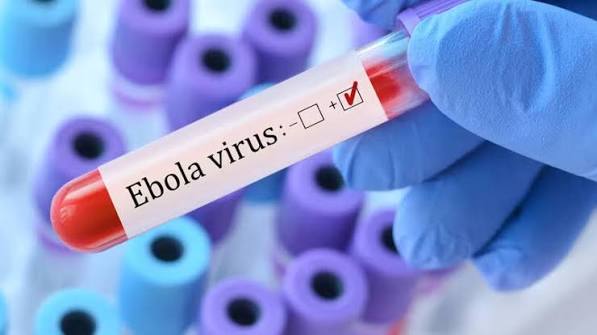
The Democratic Republic of Congo (DRC) has officially launched an emergency Ebola vaccination campaign in Kisangani, Tshopo province, to protect frontline medical workers.
The campaign deployed initial doses on Thursday to slow down the fastest-growing Ebola outbreak in the country’s history, which has already caused over 5,700 confirmed cases and 2,700 deaths since May 2026.
Vaccine Rollout Details
The vaccination drive is starting with those at the highest risk before expanding to the wider public.
Initial targets are doctors, nurses, community health volunteers, and hygiene workers handling safe burials.
The next phase will focus on high-risk individuals who have come into direct contact with confirmed Ebola patients.
The DRC has received 70,000 doses of the Ervebo vaccine. This includes 20,000 units earmarked for a clinical trial to evaluate its effectiveness against the specific strain active in this outbreak.
The Scientific Challenge
Public health officials, however, face a calculated risk with this rollout. The Ervebo vaccine is formally approved to fight the Zaire ebolavirus strain. However, the current emergency is driven by the Bundibugyo virus variant, which currently has no licensed vaccine or treatment available.
Because the two variants are biologically related, health authorities expect Ervebo to offer partial protection while data is actively collected.
Leadership and Frontline Reactions
Congolese Health Minister Roger Kamba strongly urged all frontline workers to step forward immediately to receive the jab.
Medical professionals on the ground have expressed strong confidence in the safety of the campaign: “The importance of the vaccine for me is that it protects us against Ebola virus disease. I have to be an example for others,” said Naomie Makasi, a frontline nurse.
Dr. Omba Gilbert, who heads the Kisangani Ebola Treatment Centre, said, “If it were bad, I wouldn’t have accepted it… I wanted to be the next one to receive it because I know it protects against the disease.”
The World Health Organization has previously warned that the outbreak remains a critical international concern due to regional insecurity and high population displacement.
The current deployment spans 14 health zones across the Tshopo, Bas-Uele, and Haut-Uele provinces to establish a defensive shield for the health system.