Ebola: Nigerian Senate Demands Emergency Funds, Mandatory Border Screening

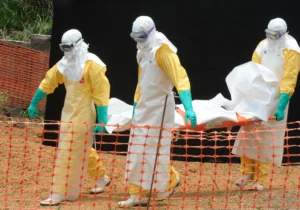
ABUJA, NIGERIA — The Nigerian Senate on Wednesday passed a critical resolution urging the Executive to release emergency funds from the Service-Wide Vote and enforce mandatory health screening across all international airports, seaports, and land borders.
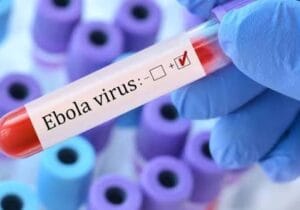
The directive follows a motion of urgent national importance sponsored by Senator Francis Faduyile (Ondo South), who raised alarms over the regional spread of the Bundibugyo Ebola virus.
The legislative push comes amid a diplomatic and public health discrepancy. While the Coordinating Minister of Health and Social Welfare, Professor Muhammad Pate, recently confirmed that laboratory testing detected Nigeria’s first case in Abuja—imported from Uganda—the Ugandan government has denied having any active Ebola cases, insisting they have recorded zero infections.
Senator Faduyile noted that the current outbreak, which originated in the Democratic Republic of Congo (DRC), has reportedly spread to East African hubs like Uganda and Kenya. This has triggered fears that infected travellers could slip into Nigeria via third-country transit routes.
The Nigeria Centre for Disease Control and Prevention (NCDC) has already classified the risk of Ebola importation as high.
Lawmakers invoked a historical reminder of how, in July 2014, a single infected traveller entering through Lagos sparked a deadly national public health emergency.
Lawmakers Expose Gaps in Border Defense
During the plenary, federal lawmakers expressed deep worry over the vulnerabilities in Nigeria’s defensive frontline. They highlighted severe understaffing and a lack of proper equipment at various entry points.
Crucially, the Senate criticized the Port Health Services’ continued reliance on the Quarantine Act of 1926, an outdated, century-old colonial framework. Lawmakers warned that current screening measures have been restricted to travelers from only a few selected countries, leaving wide gaps in national surveillance. They demanded that the 1926 Act be repealed and replaced with a modern public health law fully aligned with the International Health Regulations of 2005.
A Strained Health System
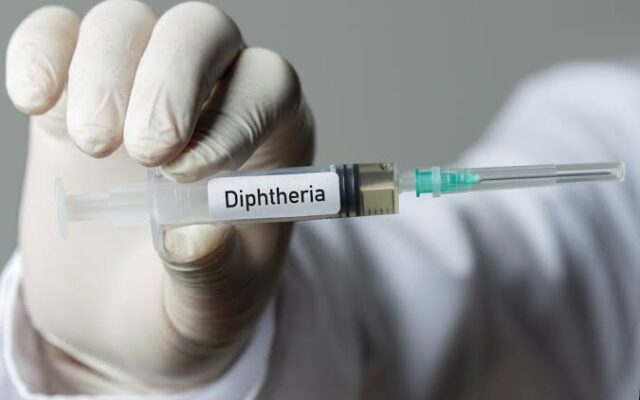
The upper chamber emphasized that Nigeria is already battling a heavy local disease burden—including ongoing outbreaks of Lassa fever, cholera, and diphtheria. Adding an unchecked Ebola transmission chain could entirely overwhelm the country’s fragile health infrastructure.
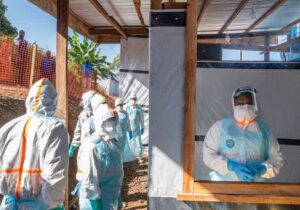
To mitigate this, the Senate proposed a strict border protocol to include mandatory health declaration forms for all incoming passengers, rigorous temperature checks and immediate symptom assessments.
They also ordered enhanced screening protocols for any traveller who has visited or transited through virus-affected areas within the preceding 21 days.
Demands for Sustainable Funding
While acknowledging the Federal Government’s initial responses—including the activation of early health forms—the Senate insisted that ad hoc measures are not enough.
The upper chamber has directed the Ministries of Finance, Budget, and Economic Planning to immediately unlock outstanding allocations and guarantee robust financial backing for both the NCDC and Port Health Services in the upcoming 2027 national budget.

Marcel Eze is a journalist covering health, public health, science, technology, and digital innovation for Klick News.