Nigeria’s National Single Window Hits ₦12.59bn in 5 Months, Shifts Focus to Exports Ahead of November Launch
ABUJA, NIGERIA — Nigeria’s National Single Window (NSW) Project has successfully processed payments worth ₦12.59 billion within its first five months of operation.
Following this initial success, the initiative is officially transitioning into its second phase, with a strategic focus on expanding the country’s export capacity, readiness, and global competitiveness.
The upcoming phase aims to establish a highly integrated, transparent, and traceable system for managing Nigeria’s cross-border trade processes.
During a stakeholder’s engagement on the export component of the project in Abuja, the Minister of Industry, Trade, and Investment, Dr. Jumoke Oduwole, urged Ministries, Departments, and Agencies (MDAs) to strictly comply with the National Single Window’s single-entry-point principle.
She called on regulatory bodies to accelerate their deliverables and ensure complete readiness for upcoming system integrations, user acceptance operations, and pilot testing phases.
The Executive Chairman of the Federal Inland Revenue Service (FIRS), Zacch Adedeji, has also directed all participating agencies and stakeholders to closely coordinate their activities.
Adedeji emphasized the need to establish definitive timelines and meet agreed-upon milestones to ensure a seamless rollout ahead of the official November 2026 take-off.
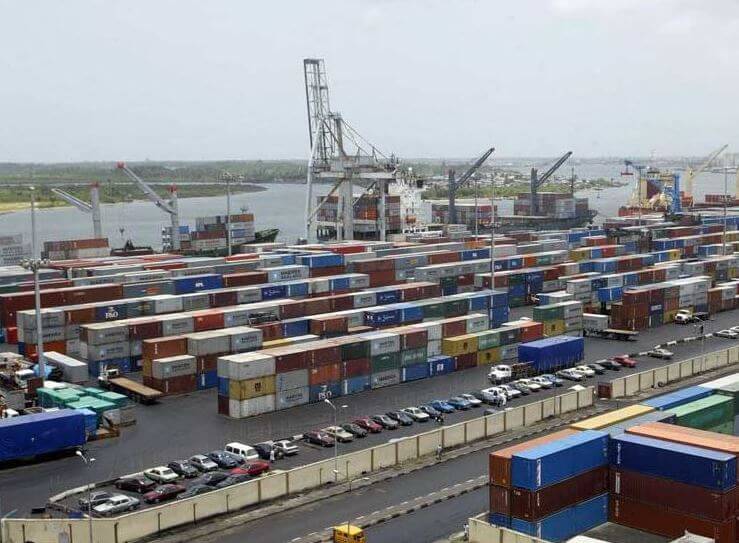
The National Single Window platform is designed to serve as a unified, digital entry point for traders, clearing agents, and international trade stakeholders. By allowing users to submit all required import, export, and transit-related regulatory documents through a single portal, the project aims to significantly reduce bureaucratic bottlenecks, lower the cost of doing business, and eliminate delays at Nigerian ports.
Policy Background
The concept of the Single Window was popularized by the United Nations Centre for Trade Facilitation and Electronic Business (UN/CEFACT), notably via its Recommendation No. 33. It was developed as a practical strategy to combat non-tariff trade barriers, reduce paper-heavy red tape, and modernize border management.
Globally, countries like Singapore, South Korea, Kenya, and Saudi Arabia have heavily documented trade efficiency leaps, lower port delays, and increased economic revenue by adopting Single Window infrastructures.
In Nigeria, the Federal Government officially commissioned its National Single Window Secretariat project to rectify decades of severe port congestion, cumbersome bureaucracy, and massive annual revenue leakages estimated at $4 billion.
The country launched Phase One of its live portal in March 2026. It successfully integrated centralized manifest filings and streamlined permit processing for core regulatory institutions—including the Nigeria Customs Service (NCS), NAFDAC, the Standards Organisation of Nigeria (SON), and the Federal Inland Revenue Service (FIRS).