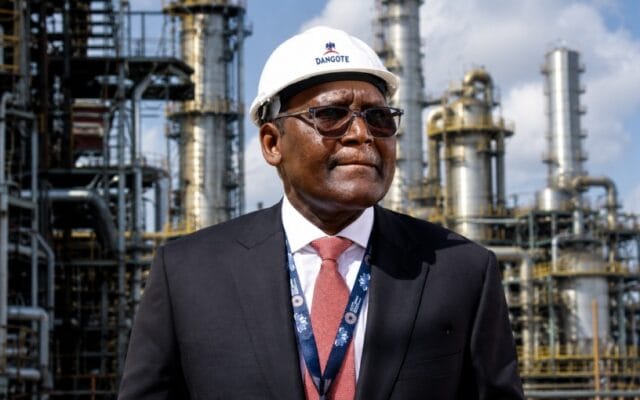
Fuel Pump Prices Smashed Past ₦1,400 as Dangote Refinery Launches Historic ₦2.15 Trillion IPO
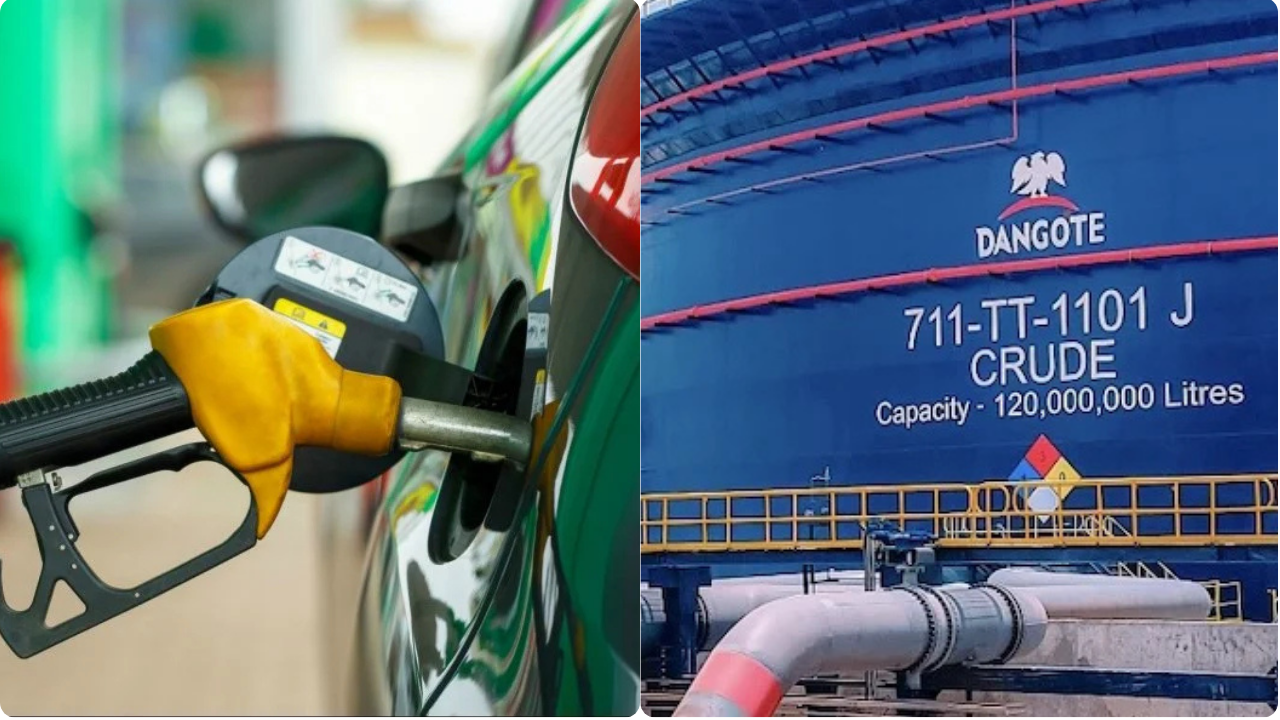
In a historic but economically jarring collision of events, the Dangote Petroleum Refinery and Petrochemicals FZE officially launched its highly anticipated Initial Public Offering (IPO) today, September 14, 2026.
The landmark market entry aims to raise a staggering ₦2.15 trillion ($1.6 billion), cementing its position as one of the largest capital-raising exercises in African history.
However, the celebratory mood on the Nigerian Exchange (NGX) faces a harsh reality at the pumps. On the exact same day of the launch, fuel pump prices across Nigeria’s crossed the ₦1,400 mark, sparking widespread criticism from citizens who view the soaring costs as punitive for an oil-producing nation.
The Pump Price Reality: Global Surge Hits Home
The sharp spike in local fuel prices is directly linked to international market volatility, as global crude oil benchmarks rocketed to $108 per barrel. In direct response to the rising cost of crude input, the Dangote Refinery adjusted its wholesale gantry price to ₦1,350 per litre.
A survey of retail stations across Abuja on Monday morning revealed a strained pricing landscape. MRS retail stations offered the lowest price at ₦1,395 per litre, leveraging direct supplies from the Dangote refinery.
Meanwhile, Mobil settled right on the threshold at ₦1,400 per litre. NIPCO pushed higher, retailing fuel at ₦1,420 per litre.
Inside the ₦2.15 Trillion “IPO for the People”
Against the inflationary backdrop, the scale of the Dangote equity offering remains unprecedented. The company is putting 4.1 billion ordinary shares up for sale, priced at ₦525 per share. The capital raise gives the continent’s largest single-train refinery an implied total market valuation of $47 billion to $49 billion.
Billed by Dangote Group Chairman Aliko Dangote as the “IPO for the People,” the asset has been structurally positioned to democratise retail investing.
The company is offering 4.1 billion ordinary shares priced at ₦525 per share, seeking to raise a staggering ₦2.15 trillion (~$1.6 billion). With a total implied valuation of approximately $47 billion to $49 billion, the market entry is positioned to become one of the largest capital-raising exercises in African history.
What This Means for the NGX
The introduction of a corporate entity valued at nearly $50 billion is expected to radically alter the scale of the local bourse. Analysts indicate that listing the refinery could push the total market capitalisation of the Nigerian Exchange from its baseline of ₦159.55 trillion well past the ₦225 trillion threshold, instantly making it the most capitalised stock on the exchange.
And then comes what has been described as the democratisation of retail investing. The CEO of Dangote Group, Alike Dangote, has called it the “IPO for the People.” This means that with the entry point fixed at just ₦5,250 for 10 shares, millions of everyday Nigerians can have a share or shares in the capital market.
By using digitized verification pipelines through platforms like NGX Invest alongside primary retail banks, the exchange says it expects a historic surge in new Central Securities Clearing System (CSCS) account openings.
The refinery’s robust cash flows and strategic positioning present a compelling equity vehicle for long-term portfolio growth.
What This Means for the Nigerian Economy
Rather than just pocketing the proceeds, Dangote Group has stated that the ₦2.15 trillion injection will serve as growth capital expenditure. The funding is expected to support the refinery’s long-term plan to scale its operational capacity from its current footprint up to 1.4 million barrels per day by 2029, permanently securing Nigeria’s domestic fuel stability.
Also, by fully scaling local refining operations, Nigeria strips away its historical, multi-billion-dollar dependency on imported refined petroleum products. This expectedly should relieve pressure on the Central Bank of Nigeria’s foreign exchange reserves, giving the Naira a firmer foundation.
Significantly, the Dangote offering gives ordinary citizens the direct ability to own a slice of the Dangote Refinery; local wealth accumulation is activated with ripple effects on their economic lives.
But for many Nigerians, as Dangote invites them to invest in his monumental refinery, what’s more important to them is getting fuel at an affordable pump price and commuting to their destinations without returning homes with empty pockets

A business journalist focused on uncovering the stories shaping companies, markets, industries, and the wider economy. Skilled at turning complex financial and corporate developments into clear, engaging stories that inform and connect with readers. Committed to accurate, insightful reporting that goes beyond the headlines.