Bill Gates Warns Nigeria Must Prepare for AI-Driven Job Disruption, Social Upheavals, and Security Risks
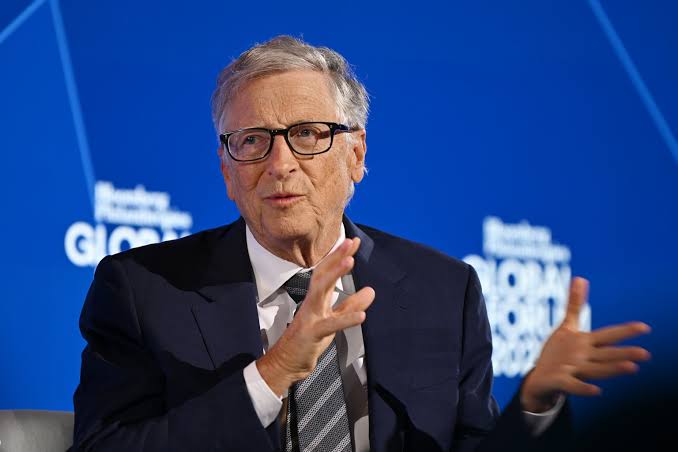
Microsoft founder Bill Gates says artificial intelligence could reshape jobs, education, security, and economic opportunities in Nigeria, urging governments and businesses to prepare for a rapidly changing future.
As artificial intelligence (AI) continues to transform industries worldwide, Microsoft co-founder Bill Gates has warned that countries like Nigeria must act quickly to prepare for the opportunities and challenges the technology will bring.
In his essay, “The Turbulent AI Era Is Here. The Choices We Make Now Are Critical,” Gates argues that AI has the potential to improve healthcare, agriculture, education, and business productivity.
However, he also warns that the technology could increase unemployment, widen inequality, and create new security threats if societies fail to plan ahead.
For Nigeria, where youth unemployment, digital transformation, and economic diversification remain key national concerns, the warning comes at a critical time.
AI Could Transform Key Sectors in Nigeria
According to Gates, AI can deliver major benefits in sectors that are vital to Nigeria’s development.
In agriculture, AI-powered tools can help farmers improve crop yields, predict weather patterns, and reduce losses. In healthcare, AI could support medical diagnostics, disease surveillance, and patient management. The technology could also enhance learning outcomes in schools and improve efficiency in public services.
Nigeria’s growing technology ecosystem is already embracing AI, with startups, financial institutions, and telecommunications companies exploring ways to automate operations and improve customer experiences.
However, Gates cautions that the benefits and risks of AI are arriving simultaneously. “I wish the world could get the benefits rapidly and delay the problems it will cause as long as possible, but the benefits and problems are arriving at the same time.”
Nigerian Workers Could Face New Employment Challenges
One of Gates’ biggest concerns is the impact of AI on jobs.
He warns that entry-level and mid-level positions are particularly vulnerable to automation. In Nigeria, this could affect sectors such as customer service, banking operations, data processing, administrative support, and other office-based jobs.
While AI is expected to create new opportunities in software development, cybersecurity, machine learning, and digital services, many of these roles require advanced skills that may take years to acquire.
The concern is especially significant for young Nigerians entering the labour market, where competition for quality jobs is already high. Gates believes governments and educational institutions must invest heavily in digital skills training to help workers adapt to the changing economy.
Young Nigerians Have an Opportunity to Lead
Despite his concerns, Gates sees young people as being in the strongest position to benefit from the AI revolution.
Nigeria has one of Africa’s youngest populations and a rapidly growing community of tech-savvy innovators. Young Nigerians are among the most active users of digital technologies, creating opportunities to develop AI-driven businesses, products, and solutions.
According to Gates, those who understand AI early will be better positioned to thrive in the future economy.
Rather than viewing AI solely as a threat, he believes young people should learn how to use the technology as a productivity tool and a driver of entrepreneurship.
Rising Security Concerns in the AI Era
Beyond employment, Gates warns that AI could also strengthen the capabilities of cybercriminals and other bad actors.
Nigeria already faces growing concerns around cybercrime, online scams, and digital fraud, and advanced AI systems could make it easier to create fake identities, generate convincing scams, and spread misinformation at scale.
Experts have increasingly warned that deepfakes and AI-generated content could complicate efforts to combat online fraud and protect public trust.
This, Gates argues, makes it essential for governments, regulators, and technology companies to establish safeguards before the risks become more widespread.
Why Nigeria Must Prepare Now
Gates believes the world is not adequately prepared for the economic and social disruption AI may bring. He is warning counties like Nigeria to prepare by investing in digital infrastructure, expanding technology education, supporting innovation, and ensuring workers can transition into emerging industries.
The real challenge, Gates says, is not whether AI will change society. It is whether governments, businesses, and communities can ensure that the benefits of the technology are shared broadly while minimising its risks.

Editor-in-Chief at Klick News