World Bank Report: Nigeria Economy Grows 4.2% as Tinubu Defends Subsidy Reforms
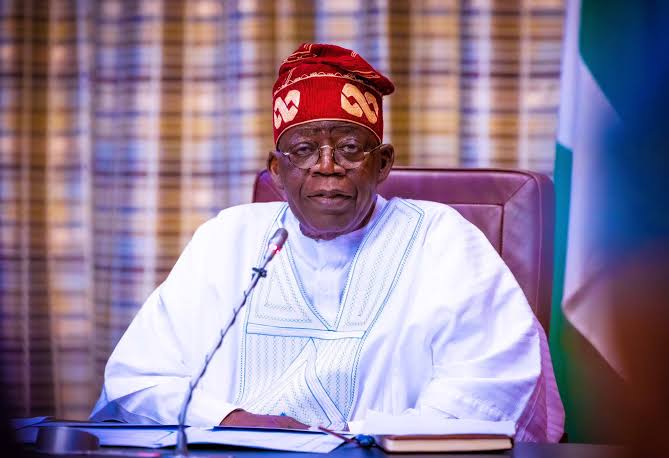
ABUJA, NIGERIA — Nigerian President Bola Tinubu has welcomed the World Bank’s October 2026 Nigeria Development Update, citing it as definitive proof that his administration’s painful economic reforms are beginning to yield tangible results.
The report, titled Beyond the Federal Purse: How Higher Revenues Reshaped State Priorities, reveals that Nigeria’s economy grew by 4.2 per cent in the first half of 2026, up from 3.9 per cent during the same period in 2025.
Crucially, the World Bank noted that Nigeria’s poverty rate has stabilized for the first time since 2019, with expectations of a gradual decline as economic growth begins to outpace population growth.
According to the State House, the positive economic indicators follow controversial fiscal policies introduced since 2023, including the removal of the petrol subsidy and the unification of the foreign exchange market.
“These findings confirm that the difficult but necessary decisions… have raised revenues, stabilised the economy, and created fiscal space,” President Tinubu said in a statement issued by his Special Adviser on Information and Strategy, Bayo Onanuga.
The report outlines significant improvements across several key macroeconomic indicators with inflation dropping sharply from 27.6% in January 2025 to 15.2% by December 2025.
While escalating global fuel prices from the Middle East conflict have slowed the downward trend, the Bank projects inflation to ease further to 12% by 2028.
Also on the positive side, the government has welcomed Nigeria’s gross external reserves, which jumped to US$53.8 billion at the end of August 2026, up from US$45.5 billion at the end of 2025, while overall public debt is projected to contract from 40.0% of GDP in 2025 to 38.1% in 2026, with 21 states successfully lowering their debt-to-GDP ratios.
The presidency stated that federation revenues surged by 69% in real terms between 2023 and 2025.
State governments emerged as the primary beneficiaries, utilizing the windfall to boost real capital spending on transport, agriculture, energy, and housing infrastructure by 151%.
While celebrating the metrics, President Tinubu acknowledged that regular citizens are still waiting for these macro achievements to trickle down. He urged state governors to manage their boosted budgets prudently and promised to redouble federal efforts on targeted cash transfers, which have reportedly reached 10 million households.

A business journalist focused on uncovering the stories shaping companies, markets, industries, and the wider economy. Skilled at turning complex financial and corporate developments into clear, engaging stories that inform and connect with readers. Committed to accurate, insightful reporting that goes beyond the headlines.