Fuel Importation: More Trouble for Dangote as Court Orders NMDPRA to Issue Licenses to Marketers
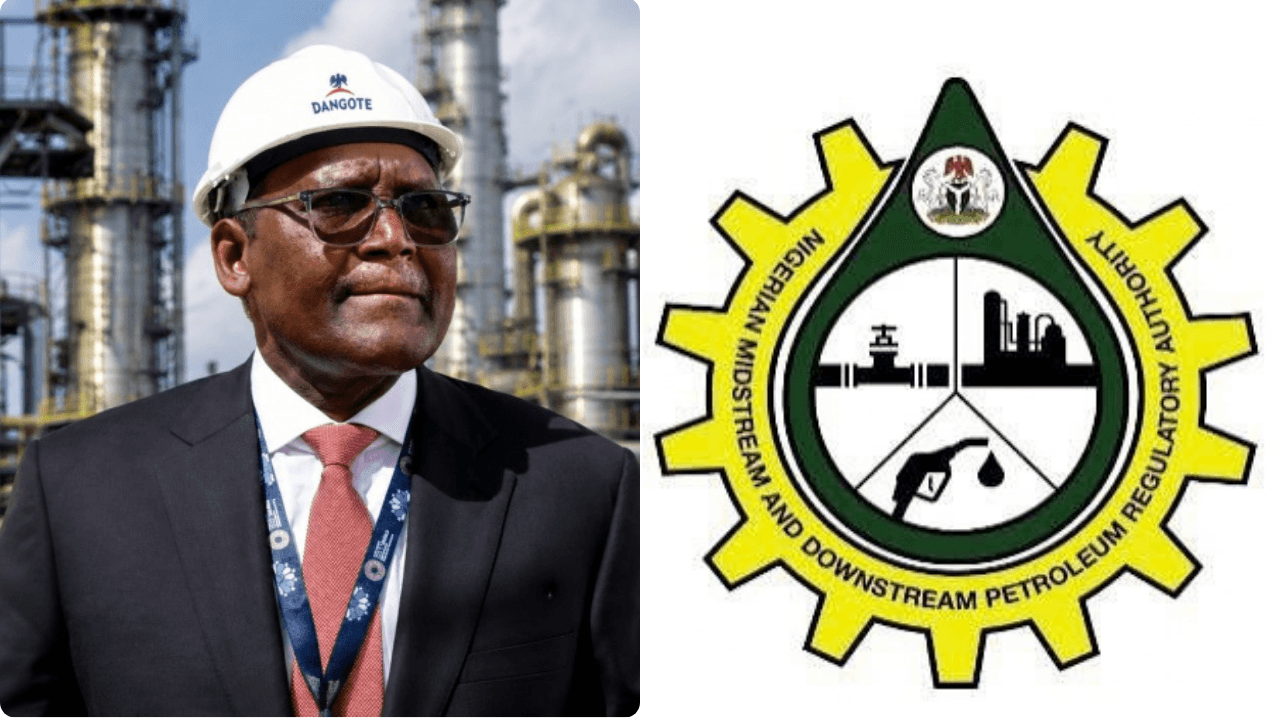
The Federal High Court in Abuja has ordered the Nigerian Midstream and Downstream Petroleum Regulatory Authority (NMDPRA) to strictly comply with the law regarding the issuance and renewal of petroleum import licenses.
The ruling follows a lawsuit filed by three major petroleum marketing firms—AA Rano, AYM Shafa, and Matrix Energy—who dragged the NMDPRA to court over alleged refusal or deliberate delays in processing their licenses.
Citing the Petroleum Industry Act (2021) and the Federal Competition and Consumer Protection Act (FCCPA), the plaintiffs argued that the regulator is statutorily bound to foster a competitive midstream and downstream sector, prevent market monopolies, and guarantee a steady fuel supply across the nation.
The presiding judge, Justice Inyang Ekwo, agreed with the plaintiffs, holding that the NMDPRA must operate within its relevant statutes. The judge noted that failing to grant or renew licenses to qualified applicants constitutes a direct violation of the PIA.
Counsel for the plaintiffs, Raji Ahmed, SAN, contended that the PIA had been wrongly interpreted and implemented by the regulator. He argued that the law does not prohibit fuel importation and that withholding licenses from marketers who met all legal conditions was an ultra vires abuse of authority.
What the PIA Mandates
The plaintiffs anchored their case on several key provisions of the Petroleum Industry Act:
- Section 29: Grants the NMDPRA the power to regulate technical and commercial operations in the midstream and downstream sectors.
- Section 31(d): Mandates the Authority to promote a competitive market and ensure the security of supply and distribution of petroleum products for the domestic market.
- Section 31(g): Obligates the regulator to ensure domestic refineries receive an adequate supply of crude oil.
- Section 31(i) & (n): Explicitly requires the NMDPRA to issue, modify, extend, renew, or reissue licenses while ensuring market development and preventing anti-competitive practices.
The marketing firms submitted that their businesses—representing over $20 billion in infrastructural investments across logistics and retail—were under direct threat. They noted that the NMDPRA had been foot-dragging on license renewals since July 2025, an action they argued was entrenching market dominance and paving the way for a monopoly by local refineries.
Implications for the Dangote Refinery
The judgment marks the latest flashpoint in the ongoing friction between the NMDPRA, independent marketers, and the Dangote Petroleum Refinery. Since becoming operational, the refinery has consistently pushed back against continued fuel importation, with its management arguing that local refineries possess adequate capacity to meet Nigeria’s domestic fuel demands.
Conversely, independent marketers and industry experts have cautioned that halting imports entirely could trigger a dangerous market monopoly.
The friction previously escalated into a highly public dispute between Aliko Dangote and the former head of the NMDPRA, Farouk Ahmed, whom Dangote accused of working against local refining interests.
Dangote had previously filed a lawsuit in the Federal High Court of Abuja seeking to restrain the NMDPRA, arguing that its actions undermined the PIA’s domestic crude allocation objectives. While that specific suit was later withdrawn, separate legal battles have persisted, including litigation in Lagos where major marketers have applied to join as interested parties.
This latest court order effectively reinforces the legal backing for independent importation, complicating the Dangote Refinery’s push for domestic market exclusivity.

A business journalist focused on uncovering the stories shaping companies, markets, industries, and the wider economy. Skilled at turning complex financial and corporate developments into clear, engaging stories that inform and connect with readers. Committed to accurate, insightful reporting that goes beyond the headlines.