Tinubu’s US Case: Presidency Slams ‘Criminal’ Mischaracterizations
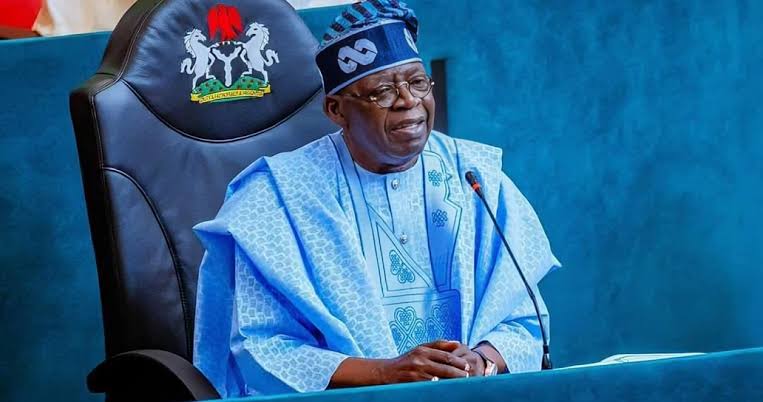
ABUJA, NIGERIA—The Presidency has strongly debunked what it calls speculative media reporting surrounding an ongoing Freedom of Information Act (FOIA) case in the United States, clarifying that the matter is strictly a civil records-disclosure dispute and not a criminal case against President Bola Ahmed Tinubu.
In a formal statement issued on Thursday, September 3, 2026, Bayo Onanuga, Special Adviser to the President on Information and Strategy, emphasized that the U.S. court has not found President Tinubu guilty of any criminal wrongdoing.
Background of the FOIA Lawsuit
The current litigation traces its roots back to 2022, when transparency activists Aaron Greenspan and David Hundeyin submitted FOIA requests to several United States government agencies seeking records related to President Tinubu.
When the agencies withheld certain records or declined to confirm their existence, Greenspan filed Civil Action No. 23-1816 before the United States District Court for the District of Columbia in 2023.
President Tinubu was later permitted by the court to participate in the proceedings as an intervenor.
The statement notes that the dispute comes 23 years after the American Consulate in Lagos formally informed the then-Inspector General of Police, Tafa Balogun, in February 2003, that an FBI check revealed no criminal arrest records, wants, or warrants for Tinubu, who was then the Governor of Lagos State.
Court Grants Summary Judgment to CIA, State Department, and IRS
During the legal proceedings, the U.S. government agencies invoked the standard “Glomar defense,” which allows law enforcement bodies to neither confirm nor deny the existence of an investigation to protect personnel, techniques, and sources.
Based on the defense, the presidency explains that the U.S. District Court granted summary judgment in favour of the entities.
such as the Central Intelligence Agency (CIA), Executive Office for United States Attorneys (EOUSA), Department of State, Department of the Treasury, and the Internal Revenue Service (IRS)
The court left claims involving the Federal Bureau of Investigation (FBI) and the Drug Enforcement Administration (DEA) for further consideration.
Why the FBI and DEA Redacted the 399-Page Document
In compliance with court orders, Tinubu says the FBI and DEA produced 399 pages of records, heavily redacted under standard U.S. statutory exemptions, citing the legal protections under U.S. law, including the Attorney-Work Product & Privilege (Exemption 5) and the Law Enforcement Purposes (Exemption 5).
Under the exemptions, it was argued that materials were strictly prepared for law enforcement operations and that disclosures would lead to an unwarranted invasion of personal privacy rights under Exemption 7(C).
Next Steps in Court and Warnings Against Partisan Speculation
The Presidency reminded the public and the media that the release or withholding of records under FOIA does not establish criminal liability. The remaining legal question is solely whether the redactions applied by the FBI and DEA are lawful under U.S. code.
Ahead of the September 11, 2026 deadline for the plaintiff to file any opposition and reply to the defendants’ and intervenor’s processes and the September 18, 2026 deadline for the FBI, DEA, and President Tinubu (as intervenor) to respond to the plaintiff’s filings, the presidency warned the Nigerian media to abide by the outcome of the court case.
It also pleased Nigerians to disregard commentary from individuals like Karl von Batten, stating that neither he nor his client are actual parties to the lawsuit.