Why Rivers State’s Delayed ₦1.84 Trillion 2026 Budget Was Finally Signed 9 Months Late
…Inside Rivers State’s Late ₦1.84 Trillion Fiscal Plan for 2026
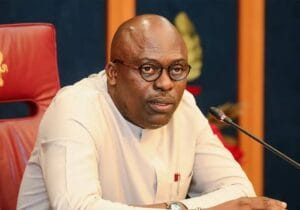
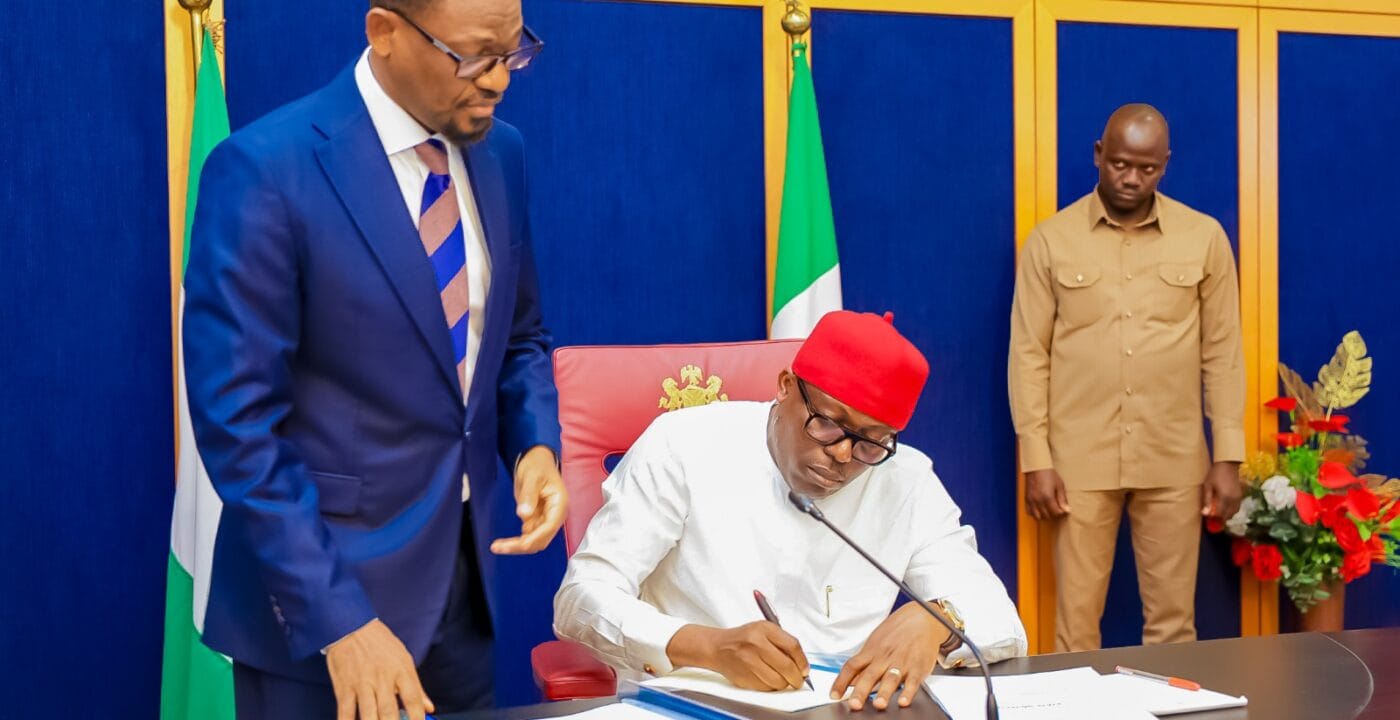
Port Harcourt, Rivers State—4 months to the end of the fiscal year, Rivers State Governor Siminalayi Fubara has officially signed the state’s 2026 Appropriation Bill into law. The extraordinarily late signing ceremony followed weeks of intense legislative gridlock and the eventual passage of the bill by the Rivers State House of Assembly.
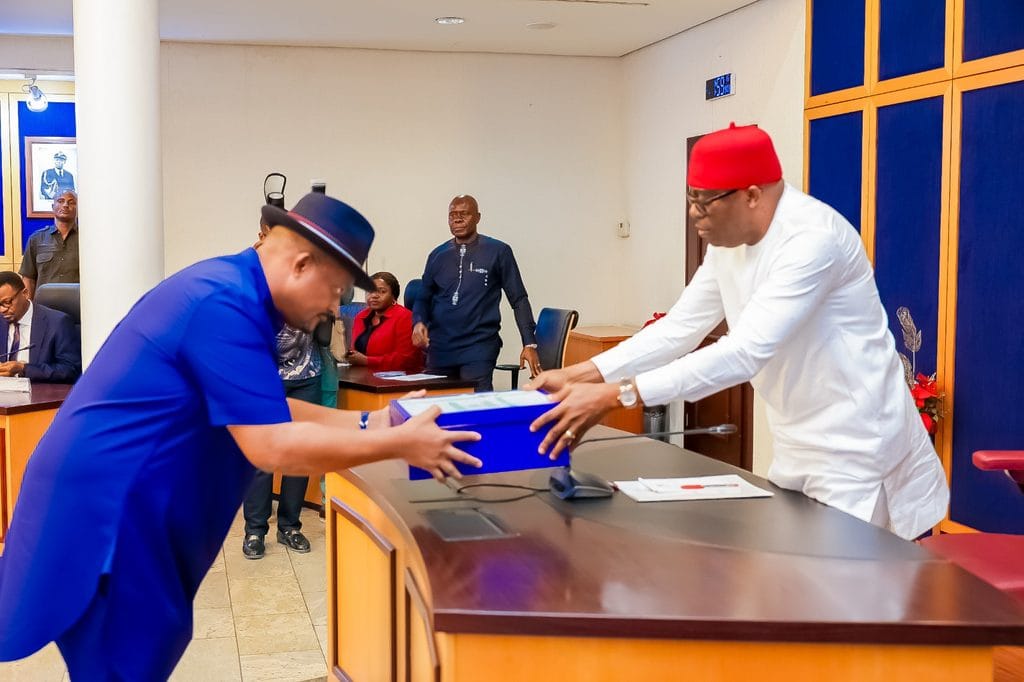
Assuring citizens that the long delay would not hinder governance, Governor Fubara emphasized that the interest of the people and the collective progress of the state remain the ultimate priorities of his administration.
Christened the “Budget of Resilience for Growth and Development,” the ₦1.84 trillion fiscal package is designed to sustain economic expansion and upgrade critical infrastructure.
The financial blueprint heavily favours developmental projects, allocating an impressive ₦1.4 trillion to capital expenditure—representing over 65 percent of the entire budget. Meanwhile, recurrent expenditure is set at ₦413.1 billion to keep government machinery running smoothly.
To finance this ambitious fiscal roadmap, the Rivers State Government will rely significantly on federal allocations and internal revenue streams. The budget outlines that ₦936.052 billion will be sourced through proceeds from the Federation Account (FAAC), while ₦487.6 billion is expected to come from Internally Generated Revenue (IGR). The remaining balance will be covered by ₦50 billion in internal loans and ₦25 billion from the sale of assets, leaving a manageable fiscal deficit of ₦58 billion.
Sectoral Allocations: Where the Billions Are Going
₦1.4 trillion in capital has been approved to drive rapid state development, with N625.8 billion going into commerce and job creation. The government also plans to invest more in agriculture and food security with a budget of ₦262 billion. Social investments gets a whopping ₦435.4 billion, while the justice sector will draw ₦65 billion.
Infrastructure development commands the largest share of the capital spending plan, reflecting the Fubara administration’s aggressive focus on community transformation. The funds are strategically earmarked to complete ongoing legacy roads and bridge projects while opening up rural communities across the state. Significant chunks have also been channeled into education, healthcare, and power to improve the overall standard of living for residents.
House of Assembly Blocks ₦6 Billion PAMO University Grant
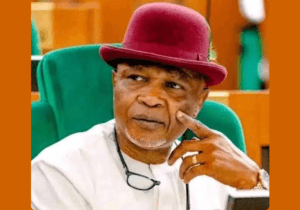
However, the passage of the budget was not without friction as lawmakers axed a controversial multi-billion naira provision. The House of Assembly, led by Speaker Martins Amaewhule, completely turned down a proposed ₦6 billion grant earmarked for PAMO University of Medical Sciences.
The funds had originally been enshrined in the fiscal policy proposal by the governor before undergoing strict legislative scrutiny.
The House Committee on Appropriations raised serious red flags over the proposed grant, citing a distinct lack of transparency. Lawmakers openly questioned the rationale behind channeling billions of naira in public funds into a private business entity that lacks clear public accountability. The committee maintained a firm stance that no state resources would flow into the private venture until the public is thoroughly convinced of its value.
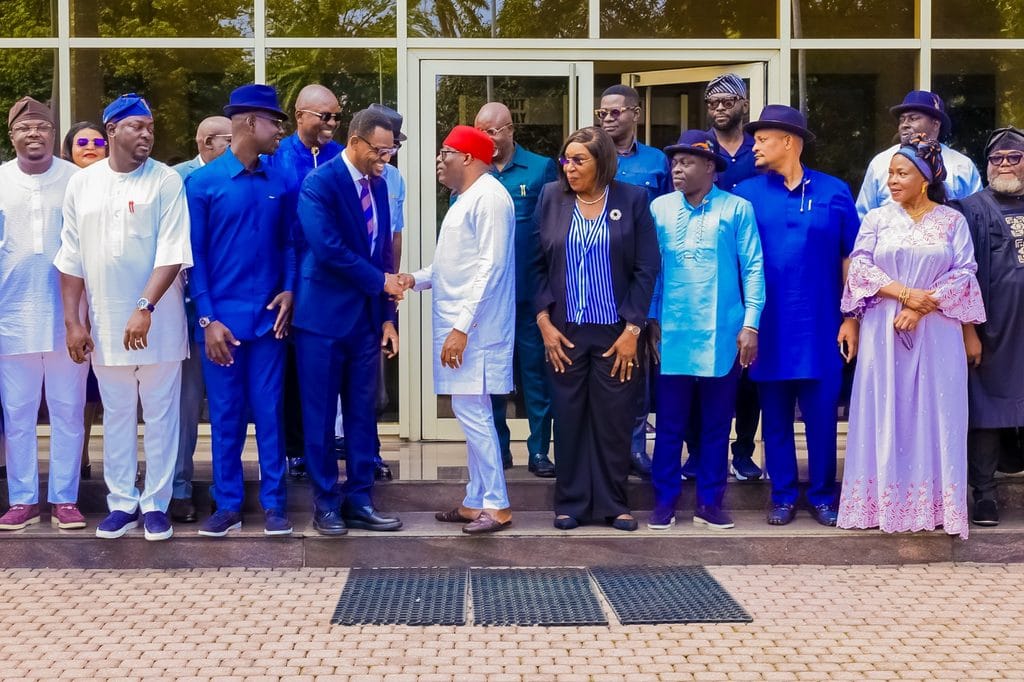
Despite blocking the private university grant, the appropriations committee—composed of Hon. Linda Stewart, Ofiks Kagbang, Enemi George, and Igwe Aforji—approved vital public healthcare interventions.
Specifically, the committee recommended and secured the approval of ₦1.4 billion to rebuild the defunct Primary Health Management Board facility located on Accra Street. The move ensures that public funds remain dedicated to accessible civic infrastructure.
With the executive asset finally secured, the focus of the Rivers State Government now shifts from legislative approval to full-scale field execution. Armed with legal authority, ministries and agencies are expected to commence the immediate deployment of the approved ₦1.84 trillion.
Governor Fubara is tipped to enforce strict fiscal responsibility, transparency, and prudent resource management to guarantee maximum project delivery.

Editor-in-Chief at Klick News