Opposition Mounts Against FG’s National Ranching Pilot
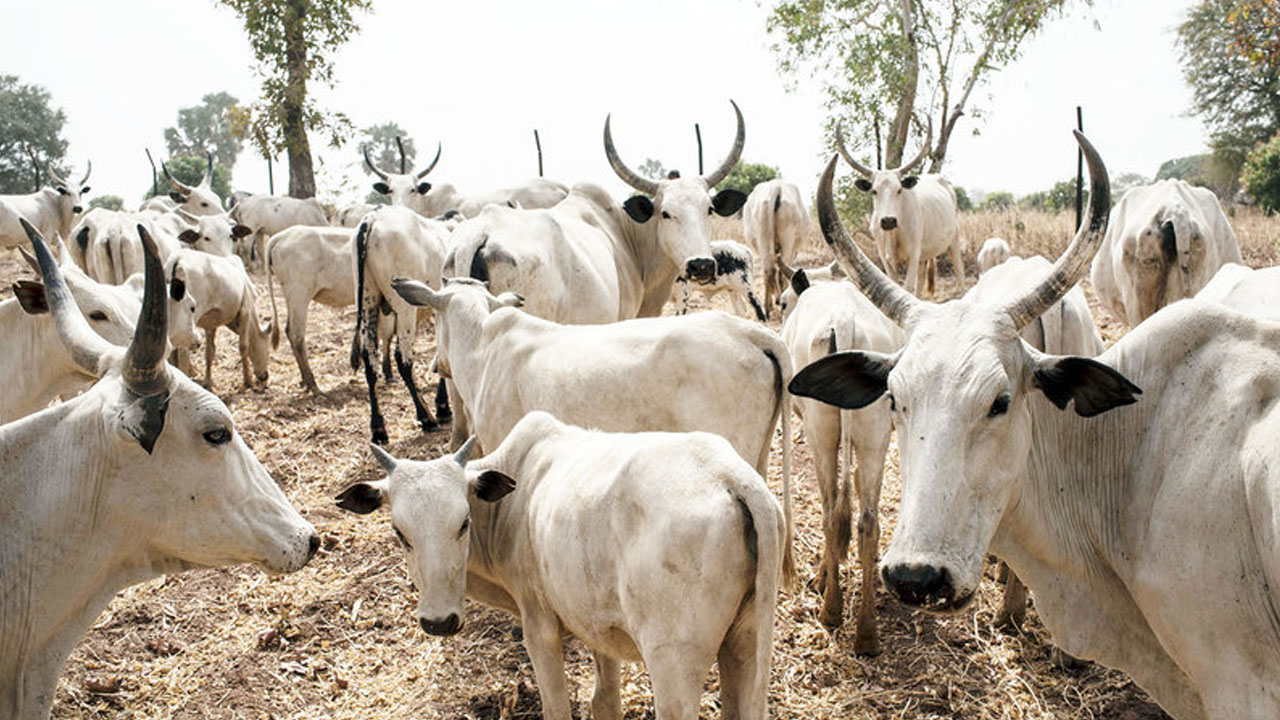
Widespread rejection from socio-cultural, religious, political, and academic groups across Benue State and the wider Middle Belt region has put the Federal Government’s proposed National Ranching Programme in jeopardy.
Since the policy was announced by the Minister of Livestock Development, Idi Mukhtar Maiha, stakeholders across the North Central zone have voiced fierce resistance.
Critics argue that the federal initiative threatens local land rights and risks rewarding the violent displacement of indigenous populations by armed herdsmen.
The Core Issues
On August 11, 2026, the Minister of Livestock Development named six pilot locations for the federal ranching scheme. They include Benue, Plateau, Nasarawa, Kaduna, Adamawa, and the Federal Capital Territory (FCT).
The announcement provoked an immediate backlash due to years of violent conflict between local farming communities and nomadic herder groups.
Critics view the latest initiative as a backdoor reintroduction of the highly controversial “RUGA” (Fulani settlement) policy pushed by the previous Muhammadu Buhari administration.
Key Groups Leading the Rejection
A joint statement by prominent Benue ethnic groups—including the Mzough U Tiv (MUT), Ochetoha K’Idoma (OKI), and Omi Ny’Igede (ONI)—comprehensively rejected the pilot. Additionally, the Middle Belt Forum (MBF) questioned why the Federal Government bypassed core northern states like Jigawa, Kano, and Zamfara. They argued that these states possess vast, uninhabited landmasses inherently better suited for large-scale livestock management.
Also, religious and academic bodies as well as the Benue State chapter of the Christian Association of Nigeria (CAN) have publicly opposed the plan. They maintain that while they support modern ranching as a private business enterprise, they flatly oppose federally imposed land allocation.
Primary Demands and the Government’s Response
Critics insist that before any livestock policies are rolled out, the Federal Government must prioritize the safe return and resettlement of thousands of Internally Displaced Persons (IDPs) to their ancestral lands.
In response to growing public anxiety, Benue State Governor Rev. Fr. Hyacinth Alia clarified that the Federal Government will not force the policy on the state. He emphasized that Benue’s anti-open grazing law is strictly in force.
Furthermore, Governor Alia suggested that any state-backed livestock initiatives would focus on a broader value chain—including ranching small ruminants like goats and sheep—rather than surrendering ancestral land for cattle colonies.