2027 Election: Group Criticizes Taiwo Oyedele Over Tinubu’s Re-Election Campaign
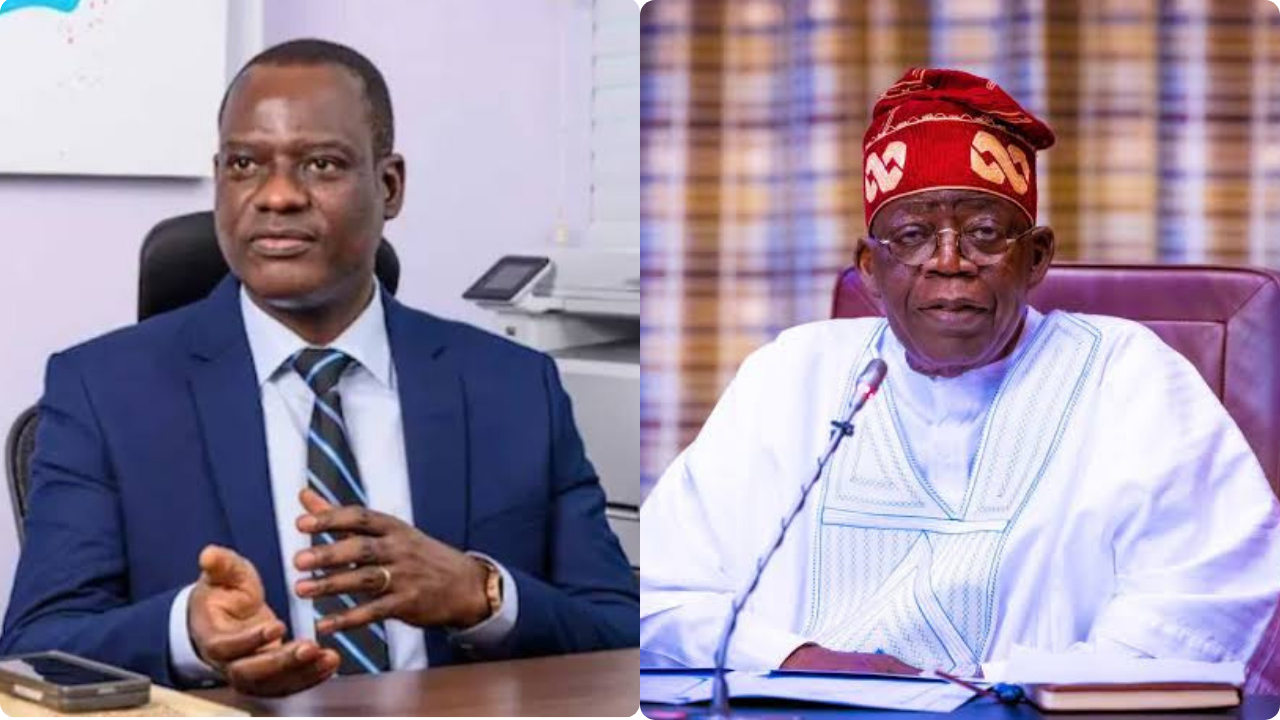
The Human Rights Writers Association of Nigeria (HURIWA) has accused the Minister of Finance, Taiwo Oyedele of allegedly prioritizing President Bola Tinubu’s 2027 re-election prospects over the country’s worsening economic crisis.
In a press statement released on October 18, 2026, the rights group urged Oyedele to cease acting as a political promoter and instead focus on rescuing Nigerians from crushing poverty, skyrocketing petrol prices, and an escalating cost-of-living crisis.
HURIWA Rejects “Foreign Investor” Verdict on Nigeria’s Future
HURIWA’s criticism followed remarks by the minister suggesting that international markets and global financial institutions are already “pricing in” a second term for President Tinubu.
The association stated that the power to elect Nigeria’s next president belongs entirely to local voters, not foreign boardroom interests.
“The minister’s suggestion is, at best, his own assessment and cannot be presented as a verdict on Nigeria’s political future,” HURIWA stated. “The power to elect the country’s next president belongs to Nigerians, not foreign investors, global financial institutions, or powerful boardroom interests.”
The rights group expressed deep concern that a senior economic official would use an international economic gathering to project political outcomes rather than outlining strategies to revive productive sectors, create jobs, and restore household purchasing power.
Beyond political campaigning, HURIWA challenged the federal government over its transparency regarding public finance and a growing reliance on loans. The group recalled a report by economic commentator Dele Oye published in The Guardian on May 25, 2026, which raised alarms over the rapid growth of Nigeria’s public debt under the Tinubu administration.
HURIWA questioned why borrowing remains a recurring feature of public finance despite frequent claims of increased revenue collections by various government agencies. The association demanded a transparent account of the specific projects financed by these loans, warning that borrowing without demonstrable welfare improvements unfairly burdens future generations.
Addressing the ongoing fuel subsidy controversy, HURIWA rejected the administration’s stance that subsidies are inherently incompatible with economic growth. The group pointed out that advanced economies routinely deploy public support to cushion vulnerable households against economic shocks.
According to HURIWA, the real issue plaguing Nigeria’s intervention programs is not the principle of subsidization but rather widespread corruption, systemic waste, poor institutional oversight, and a failure to implement transparent interventions. The group maintained that removing the petrol subsidy without establishing robust protections has left millions of low-income families stranded against harsh market forces.

A politics and current affairs reporter covering breaking political news, government affairs, elections, policy, and stories that matter.