Nigeria to Experience Extreme Heat From September to February, With Projected 31,400 Weather-Related Deaths—Report
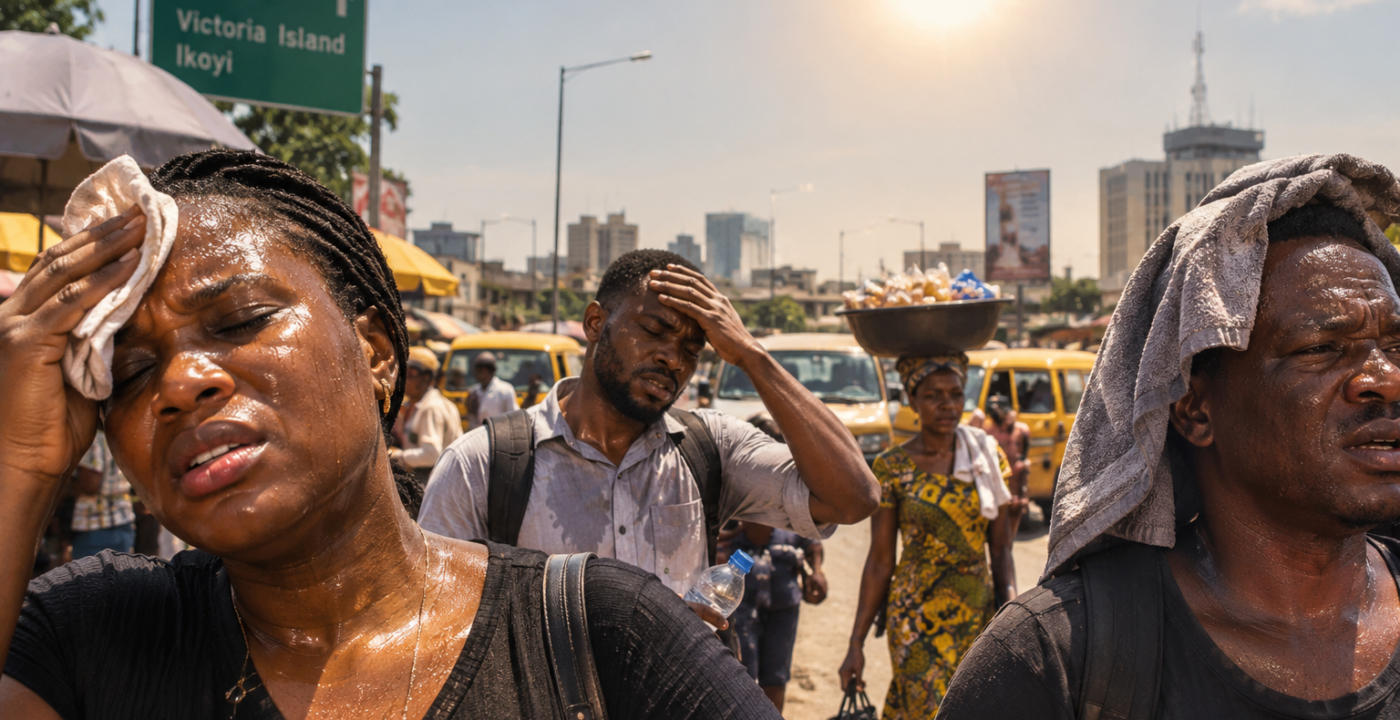
Nigeria is facing an unprecedented public health emergency as a powerful “Super El Niño” triggers extreme weather anomalies worldwide.
New data reveals that Nigeria ranks as the most vulnerable nation globally, with 31,400 additional heat-related deaths projected between September 2026 and February 2027 compared to a normal year.
Scientists from the Climate Impact Lab report that global land temperatures are surging 1.2°C (2.1°F) above normal bounds. This spike is generating 44% more extremely hot days than historical averages. Experts warn that El Niño is effectively dragging the planet into a premature future, exposing populations to extreme temperatures that were not expected to become the norm for another two decades.
Globally, the crisis is projected to claim 451,000 lives during the first half of this climate cycle. The Global South is being hit the hardest, with the African Sahel region accounting for a staggering 66,800 excess deaths. Nearly half of those regional fatalities are concentrated entirely within Nigeria.
The Looming December–February Danger Zone
The data highlights a shifting timeline across different territories, offering Nigerian policymakers a narrow but vital window to mount an emergency response.
While countries like Sudan (17,500 projected deaths), Niger (10,000), and Chad (8,000) face immediate spikes, Nigeria’s casualties are heavily back-loaded. Of the country’s total projected losses, 15,400 deaths are expected to occur between December 2026 and February 2027.
“This is more than a hot summer; it’s a postcard from the future,” the researchers noted in the brief. The figures provide a stark preview of what normal baseline temperatures will look like in 20 years if robust climate adaptation investments are not deployed immediately.
A Call for Immediate Government Action
Public health experts stress that these projected deaths are not inevitable. Because the worst of Nigeria’s heatwave impacts will peak later in the season, targeted humanitarian interventions can still save tens of thousands of lives.
To mitigate the disaster, researchers urge federal, state, and local governments to deploy proven interventions from the global adaptation inventory, such as early warning systems, using rapid SMS and media alerts to prepare the public before extreme heat index days.
With vulnerable populations even at much greater risks, local health officials have been encouraged to conduct home visits for high-risk demographics, including the elderly, infants, and outdoor laborers. This is in addition to establishing localized cooling centres, expanding public water availability, and implementing strict workplace heat protections.
Authorities will also have to expand the capacity of local clinics and hospitals to monitor and treat early symptoms of heat stroke and severe dehydration.
With the current meteorological forecasts indicating that this Super El Niño will remain anchored through the early part of 2027, researchers expect death tolls to climb even higher into June and July if proactive measures are ignored.
Nigeria is projected to experience 31,400 deaths, Indonesia 19,300, Sudan 17,500, and India 15,800.

A business journalist focused on uncovering the stories shaping companies, markets, industries, and the wider economy. Skilled at turning complex financial and corporate developments into clear, engaging stories that inform and connect with readers. Committed to accurate, insightful reporting that goes beyond the headlines.