Where Are the Billions? Senate Probes Safe Schools Funds After Chibok Outrage
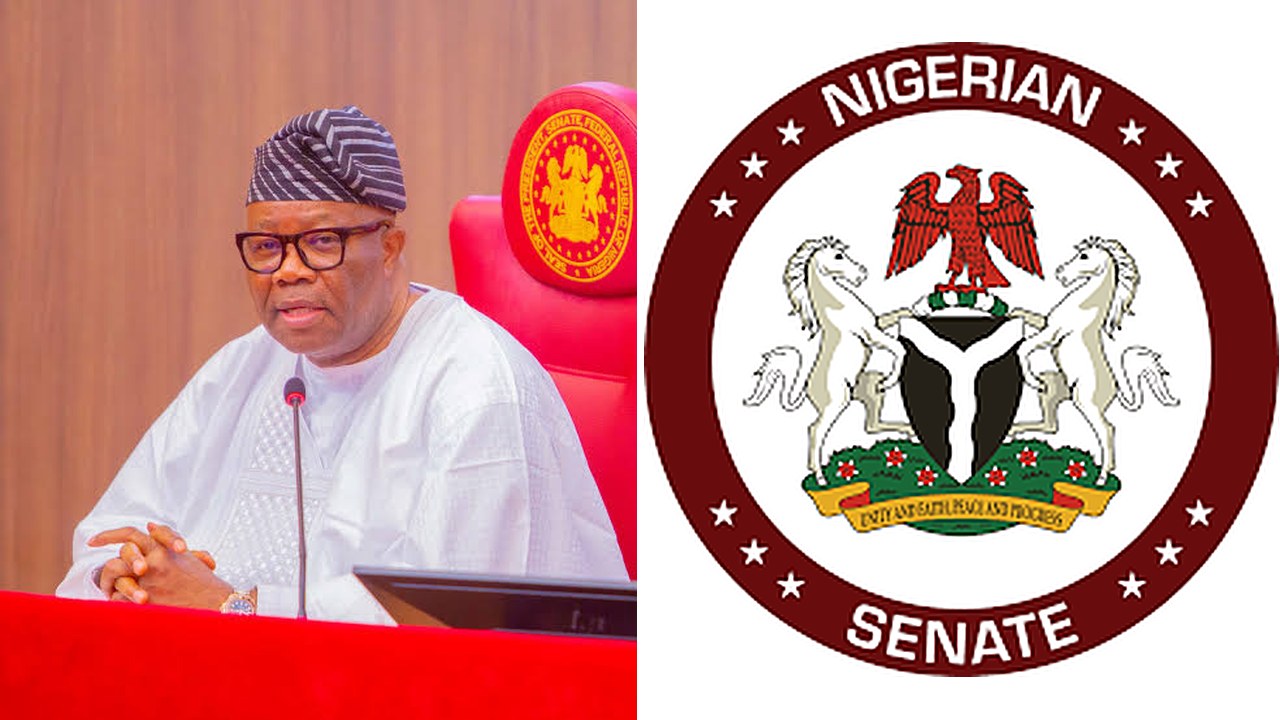
ABUJA, NIGERIA — The Senate has launched a comprehensive investigation into the implementation and financing of Nigeria’s Safe Schools Initiative.
The red chamber is demanding a full accounting of every naira appropriated by the Federal Government, alongside all international donor funds released to the programme.
The high-stakes investigation is being conducted by the Senate Ad-hoc Committee on Safe Schools Initiative and Safe Schools Financing.
It will scrutinise billions of naira disbursed since the initiative’s launch, which was established following the 2014 Chibok schoolgirls’ abduction to protect students from terrorism, banditry, and kidnapping.
Probe Not a Witch-Hunt, Says Kalu
Speaking during a meeting at the National Assembly, Committee Chairman Senator Orji Uzor Kalu clarified that the exercise aims to promote transparency, accountability, and prudent public fund management.
He emphasized that the probe is not designed to target any individual or institution. “We are resolved to establish how all funds allocated to this initiative were utilised, irrespective of when they were disbursed or who administered the programme,” Kalu stated while receiving officials from the Ministry of Education.
Education Minister Pledges Full Cooperation
Responding to the committee, the Minister of Education, Tunji Alausa, acknowledged the Senate’s constitutional oversight powers and promised the ministry’s absolute cooperation.
Alausa pointed out that the majority of the financial transactions under review occurred between five and seven years ago, long before his tenure began.
He clarified that the only major disbursements made under his watch were targeted interventions for the Nigeria Police Force and the Nigeria Security and Civil Defence Corps (NSCDC), with those specific funds managed directly through the Federal Ministry of Finance.
Background: The Genesis of the Safe Schools InitiativeThe Safe Schools Initiative (SSI) was launched in May 2014 alongside global leaders and the UN Special Envoy for Global Education, Gordon Brown.
The intervention was a direct response to the global outrage following the April 2014 Boko Haram abduction of 276 schoolgirls from their dormitory in Chibok, Borno State.
Initially backed by a $10 million fund from the Nigerian government and matched by another $10 million from private sector donors, the initiative aimed to build secure educational environments.
Over the last decade, billions of naira from both local budgets and international donors have been funnelled into the programme to secure schools across Nigeria’s volatile northern region against terrorism, banditry, and mass kidnappings.
Despite these funding injections, a recent surge in school raids and student abductions has raised serious public concerns regarding the transparency and utilization of the funds.