US Sanctions: ICC President Tomoko Akane Condemns ‘Assault on Rule of Law’
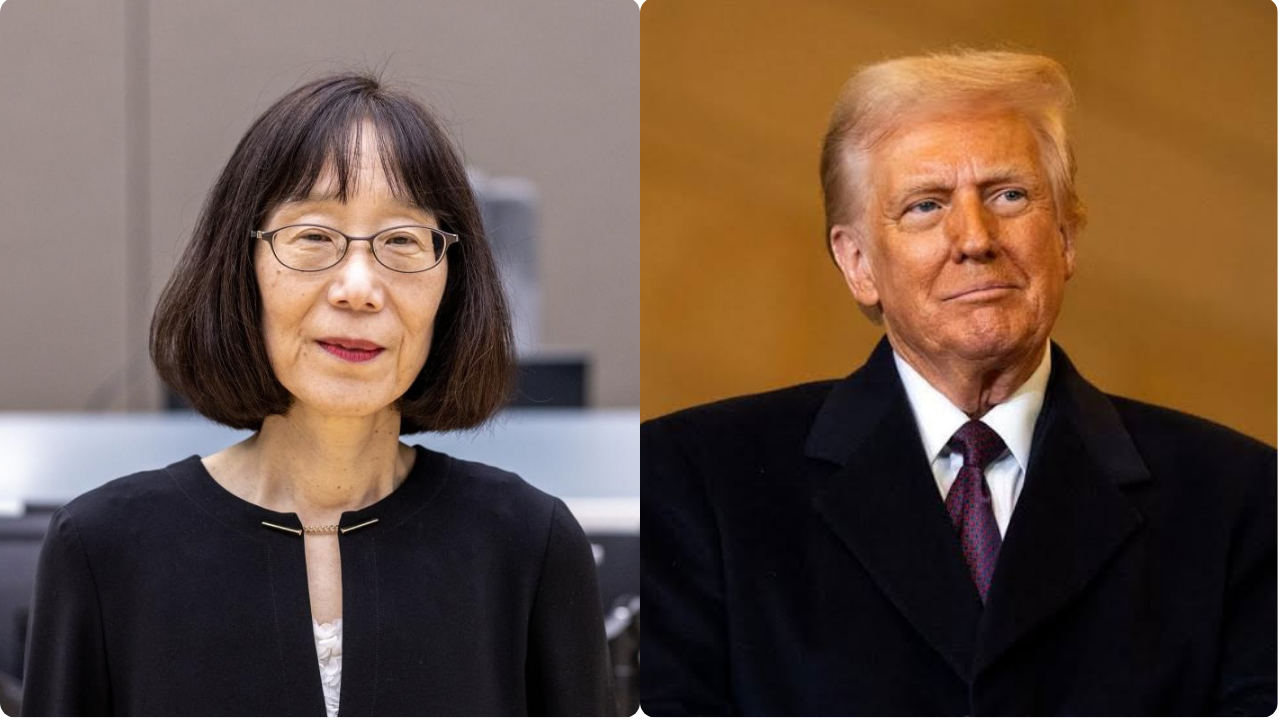
THE HAGUE — Diplomatic tensions have escalated after the United States imposed formal sanctions on the International Criminal Court (ICC) as an institution. The sweeping measures follow a targeted series of US designations against 13 independent ICC judges and prosecutors, marking a sharp rupture in relations between Washington and the international legal body.
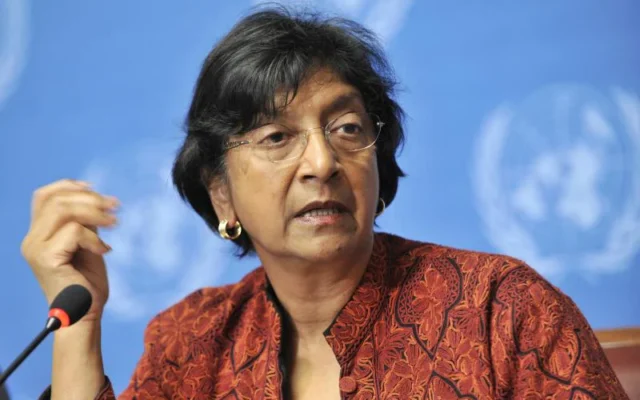
In a defiant response, ICC President Tomoko Akane condemned the restrictions. She labeled them a direct attempt to obstruct international justice, disrupt operations, and intimidate the broader legal community.
An ‘Assault’ on International Justice
The ICC operates as an independent judicial institution backed by 125 States Parties under the Rome Statute. Its mandate tasks it with investigating and prosecuting the world’s gravest atrocities, specifically tracking and handling cases of genocide, war crimes, crimes against humanity, and the crime of aggression.
President Akane stated that the US penalties strike at the fundamental principle that no one stands above the law. She framed the move as an assault on the very foundations of the international legal order.
Despite the pressure, Akane declared that the Court will continue to fully discharge its mandate with independence and impartiality, acting only on the basis of the law and the evidence for the sake of the countless victims of grave crimes.
Deep-Seated Roots of U.S.–ICC Tensions
The relationship between Washington and the world’s permanent war crimes tribunal has been fraught since the court’s inception. The United States voted against the adoption of the Rome Statute in 1998 over deep-seated sovereignty and constitutional concerns.
Although President Bill Clinton later signed the treaty in 2000, the Bush administration formally withdrew that signature in 2002. Congress subsequently passed the American Service-Members’ Protection Act—often dubbed the “Hague Invasion Act”—authorizing military force to liberate any U.S. or allied personnel detained by the court.
While U.S. policy toward the ICC briefly shifted to engagement during the Obama and Biden administrations, institutional hostility re-escalated under President Donald Trump.
Washington has consistently opposed the court’s assertions of authority over non-member states, a friction point that intensified significantly following ICC investigations into U.S. forces in Afghanistan and the court’s late 2024 arrest warrants for Israeli leaders regarding the conflict in Gaza.
U.S. Secretary of State Marco Rubio defended the latest institutional sanctions as a necessary measure to protect American sovereignty from what the administration describes as a corrupt and fatally politicized supranational court.
A Call to Action for 125 Nations
Because the ICC lacks its own military or enforcement body, it relies entirely on the political and financial cooperation of its member countries. President Akane issued an urgent appeal to the 125 signatory nations that established the court, reminding them that the Rome Statute remains a collective promise to ensure mass atrocities do not go unpunished. The court noted that the promise is only as strong as the resolve of those who made it.
The court is actively calling on its States Parties to implement concrete defenses to ensure the ICC maintains the financial, digital, and operational means to continue its investigations without disruption. Akane emphasized that no one should be punished for serving the cause of justice, warning that future generations and victims of mass atrocities will judge how the international community responded when the world’s court of last resort came under direct attack.