Nigeria’s Fuel Import Surge: The Impact on Local Refineries and Retail Prices

Despite the Nigerian government’s repeated promises to protect and prioritize local manufacturing, Nigeria continues to import massive volumes of refined petroleum products.
This persistent reliance on foreign fuel is directly reshaping the local energy landscape and putting unexpected pressure on domestic petrol prices.
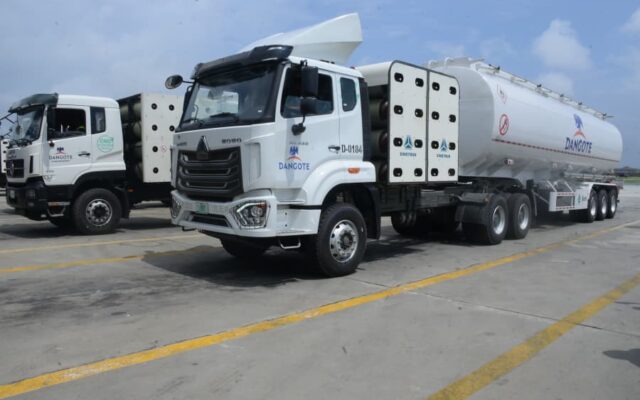
A recent public notice from Africa’s largest single-train refinery, the Dangote Petroleum Refinery, revealed that the company has turned to exporting its refined surplus products abroad. This shift comes as a direct response to the overwhelming volume of fuel being imported into the country by other licensed marketers.
The scale of the imports is troubling for the company. Quoting figures from its own sources, Dangote Refinery claims 43% of the premium motor spirit (petrol) consumed in Nigeria during July 2026 was imported from foreign markets.
What This Means for Local Refineries
Africa’s largest refinery is now exporting most of its products abroad. It says the volume of imported petrol has impacted heavily on storage and financing of excess inventory and put a strain on business.
While some economists have consistently argued that excess supply would push prices down for Nigerians rather than allow one supply source to dominate the market, that logic has failed to hold in Nigeria as prices remain high.
“It is a push-and-pull situation,” one analyst said. “If Dangote exports his excess due to over importation by other marketers who have been granted licenses by the government, we are still back to square one equilibrium.”
Dangote refinery, on its part, explained that its decision to export is not a refusal to sell locally but simply a reaction to market and commercial demands.