Nigeria 2027 Election: APC and Opposition Face-off as Presidential Campaign Season Officially Begins
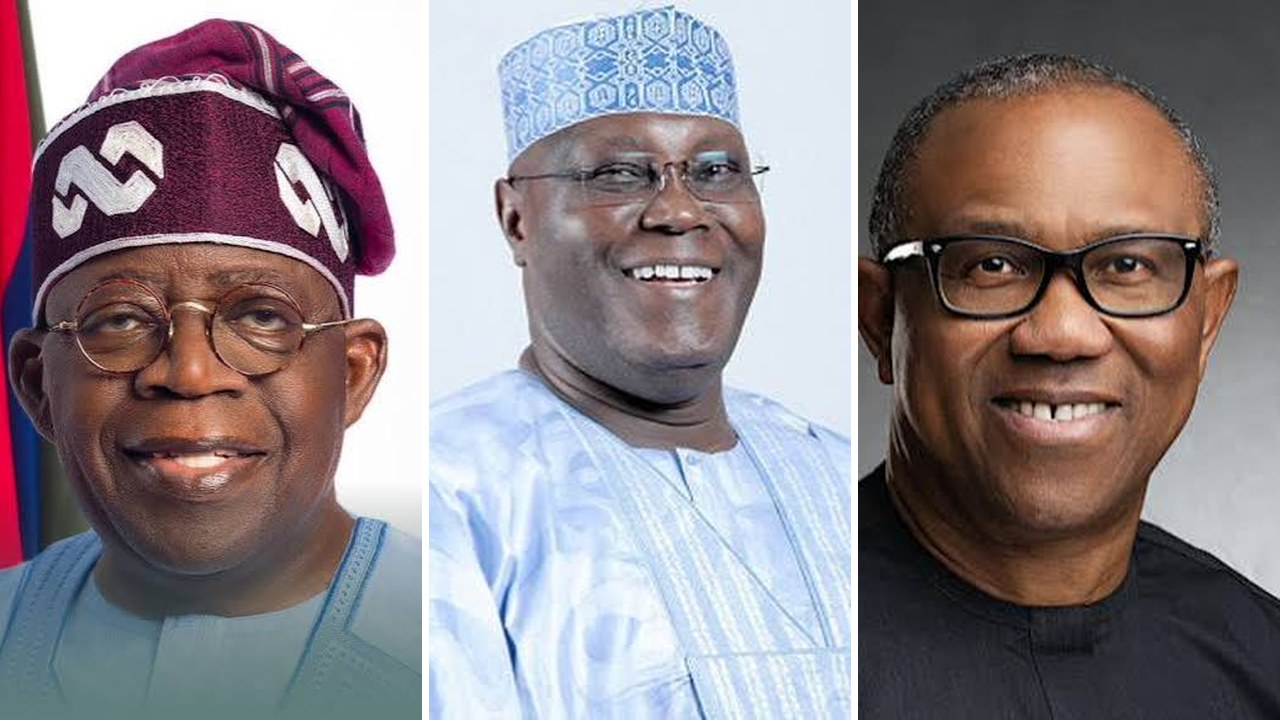
ABUJA, Nigeria — The race for Nigeria’s presidency has officially commenced, kicking off what analysts predict will be one of the most fiercely contested political battles in the nation’s recent history.
The official launch of the 2027 campaign season follows a heated sequence of off-cycle governorship elections that have left both the ruling party and the opposition recalibrating their strategies.
Momentum Shifts and Shock Defeats
The road to 2027 began with a dominant display by the ruling All Progressives Congress (APC) in Ekiti State. Incumbent Governor Abiodun Oyebanji secured a landslide victory, reinforcing the ruling party’s formidable structure and leaving opposition parties questioning their ability to challenge the APC machine.
However, the political momentum took a dramatic turn in Osun State—a place of immense cultural and political significance.
Despite a heavy deployment of high-profile APC leaders who descended on the state to campaign for candidate Bola Oyebamiji, the ruling party suffered a stunning defeat. Against all odds, the smaller Accord Party triumphed over the APC establishment.
While the loss humbled the ruling party, it has injected fresh energy into Nigeria’s fractured opposition, triggering late-night strategy meetings as parties prepare for a grueling national campaign.
The Peace Accord and the President’s Charge
Against this turbulent backdrop, the National Peace Committee convened in Abuja on Tuesday, bringing together presidential candidates and their running mates to sign a symbolic Peace Accord.
President Bola Tinubu, who did not attend the signing ceremony in person, issued a strongly worded statement urging politicians to prioritize national unity over divisive rhetoric. “We must conduct ourselves in ways that strengthen—not tear—the fabric of our society,” President Tinubu stated. “We may exchange occasional political jabs. But as members of the same household, the same national family, we must never resort to divisive and primordial sentiments of ethnicity or religion as tools for seeking power.”
Criticisms and the Shadow of Identity Politics
Despite the president’s call for an issue-based campaign, opposition figures and critics have quickened their attacks, pointing out contradictions between official rhetoric and realities on the ground.
Critics have knocked the president for failing to publicly condemn aggressive remarks made by Senator Francis Fadahunsi during the lead-up to the Osun election.
Furthermore, despite the presidency’s explicit warnings against using religion as a political weapon, sectarian endorsements are already taking center stage.
On August 10, 2026, prominent Islamic cleric Sheikh Sani Jingir—the National Chairman of the influential Ulama Council of Jama’atu Izalatil Bid’ah Wa’ikamatis Sunnah (JIBWIS)—openly promoted the APC’s Muslim-Muslim ticket at a mass wedding in Kano State, rallying his massive Salafist following behind the presidency.
Similar trends are visible across various Christian pulpits nationwide, where religious platforms continue to double as campaign stages with the quiet backing of political actors.
Simultaneously, ethnic sentiments continue to humidify the political atmosphere. Shortly after securing his epic re-election win, Osun State Governor Ademola Adeleke reportedly declared his intention to support President Tinubu’s 2027 bid based primarily on shared Yoruba heritage.
On the other side of the aisle, National Democratic Congress (NDC) candidate Peter Obi continues to draw a significant portion of his core momentum from his home region, despite maintaining a reasonable amount of diverse support in other parts of the country.
As the campaign noise intensifies, political observers note that the 2027 cycle is unlikely to break from the past. Despite institutional calls for issue-based debates, the heavy reliance on religious and ethnic alignment indicates that Nigeria’s journey toward unified nationhood remains deeply contested.

Editor-in-Chief at Klick News