Lagos-Calabar Coastal Highway: Group Demands Umahi’s Probe
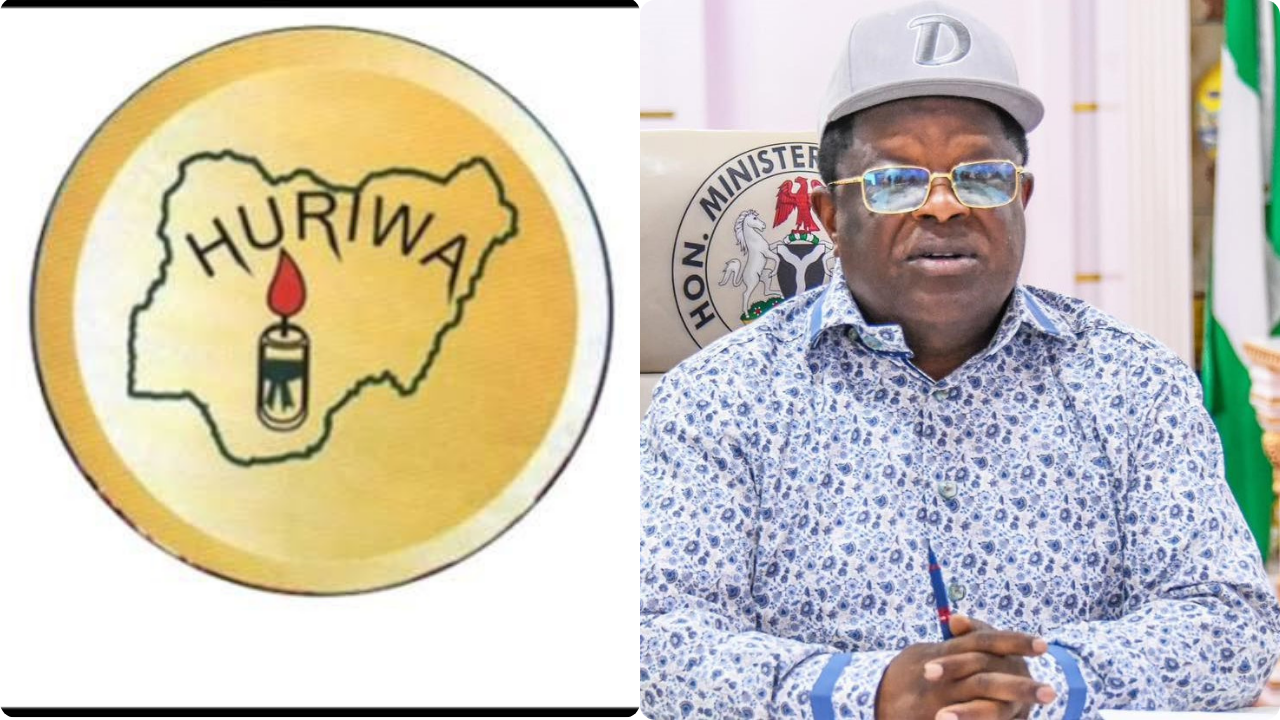
The Human Rights Writers Association of Nigeria (HURIWA) has condemned the Federal Government’s decision to realign a section of the Lagos-Calabar Coastal Highway with the existing East-West Road.
The rights group described the sudden policy shift as a disturbing indictment of Nigeria’s infrastructure planning, transparency, and accountability.
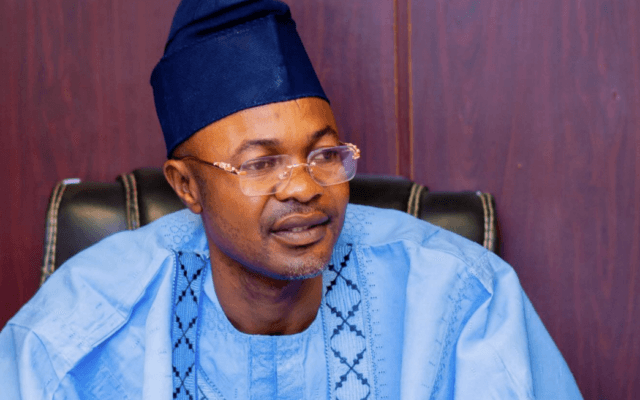
In a press statement signed by its National Coordinator, Comrade Emmanuel Nnadozie Onwubiko, on October 12, 2026, HURIWA demanded a full independent investigation into the project. The association is calling on the National Assembly to summon the Minister of Works, David Umahi, to explain the sudden structural and environmental complications.
HURIWA Questions Lack of Due Diligence and Feasibility Studies
The controversy erupted following an announcement by Minister Umahi that President Bola Tinubu approved a route change [0]. Instead of constructing a new coastal path, the highway will now divert along a 104-kilometre corridor (including a 45 km bypass) from the Ondo State boundary into Edo State, utilizing the pre-existing East-West Road.
Umahi cited severe flooding risks and climate change threats as the main reasons for the realignment, noting that sections of the existing East-West Road would need to be elevated by two metres to withstand environmental pressures.
However, HURIWA countered that using climate change as an excuse exposes severe flaws in the project’s foundational planning.
“How does a government embark on a multibillion-naira coastal highway project without adequately resolving fundamental questions about flooding, environmental risks, and the most suitable route? Who approved the original plans, and who will take responsibility if avoidable errors are established?” HURIWA questioned.
The group emphasized that for a flagship national project, climate and environmental risks should have been thoroughly evaluated and mitigated during the initial design phase, rather than being treated as an afterthought.
Calls for Transparency, Cost Disclosures, and National Assembly Probe
HURIWA warned the Tinubu administration against framing policy course corrections as “presidential achievements” while keeping taxpayers in the dark regarding the financial fallout.
To restore public confidence, the association called for the Ministry of Works to immediately make public the feasibility studies, environmental impact assessments (EIAs), and engineering reports that justified both the original and the newly revised routes.
The group is also demanding a full disclosure on the financial cost of the realignment and whether it will increase or decrease the overall project cost, alter current contractual agreements, or cause severe construction delays.
The group insisted that if gross negligence or professional misconduct is discovered within the planning phase, appropriate sanctions—including the potential dismissal of the Works Minister—must be enforced [0].
“Nigeria is not a private estate, and public infrastructure is not a favour dispensed by political officeholders,” Onwubiko stated. “Every major project must be properly conceived, transparently executed, and open to scrutiny. If the original planning was deficient, Nigerians deserve the truth, not political applause for correcting a problem that should never have arisen.”