2027 Silent Coup Against Democracy: The Weaponization Of Campaign Billboard Fees
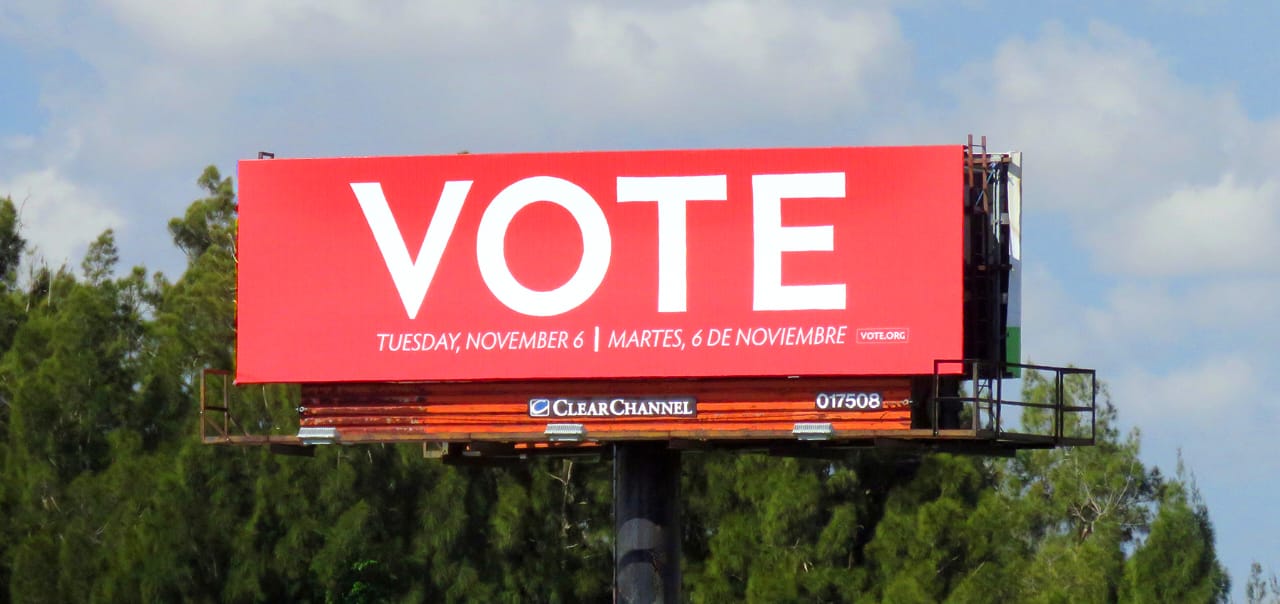
… When only the incumbent can afford to be seen, the people cannot choose.
By Kenneth Eze, Election Observer & Lead Director, Speak Out Africa Initiative
Abuja—Democracy does not die only through military coups. It can also be suffocated through administrative intimidation, prohibitive campaign fees, political violence, and the deliberate restriction of opposition visibility.
As Nigeria approaches the 2027 general elections, the weaponization of campaign billboard fees presents a disturbing threat to political pluralism, electoral fairness, and citizens’ freedom to choose their leaders.
In February 2026, Enugu State’s Structures for Signage and Advertisement Agency (ENSSAA) announced a mandatory ₦150 million advertising permit covering political parties and candidates participating in the 2026 and 2027 elections. The reported permit covers an extensive range of campaign activities and materials.
In July, Abia State announced fees of ₦200 million for presidential candidates, ₦150 million for governorship candidates, ₦100 million for senatorial candidates, ₦50 million for House of Representatives candidates, and ₦20 million for State Assembly candidates.
In August, Kwara State reportedly introduced charges ranging from ₦2 million for Assembly candidates to ₦100 million for presidential candidates. Also, the widely circulated claim that the FCT imposed a ₦750 million presidential billboard permit, although disputed by the FCT minister’s aide, is even more damning. These are published figures, not speculation, and the list goes on.
The government may legitimately regulate outdoor advertising for safety, planning, and environmental reasons. But regulation becomes an instrument of exclusion when charges are grossly disproportionate, unexplained, or structured to make meaningful participation unaffordable.
A ₦150 million or ₦200 million permit is not a trivial administrative expense. It risks placing campaign visibility beyond the reach of emerging parties and ordinary candidates, while incumbents may enjoy superior access to public communication channels, established political networks, and financial resources.
The consequences extend beyond political parties. Billboards communicate choices, introduce candidates, and expose voters to competing ideas. When only wealthy and incumbent candidates can dominate public spaces, citizens receive an artificially narrowed picture of their electoral options. The ballot may contain several names, yet the public sphere may effectively advertise only a privileged few. That is how democratic choice can be undermined without formally cancelling an election.
The contradiction is particularly troubling because many politicians now exercising governmental authority previously campaigned as opposition figures. They benefited from the same democratic freedoms they now risk restricting. Those who live in glass houses must not throw stones. Political power is temporary; the democratic principles that protect its peaceful transfer must endure.
Premature political activities have also blurred the boundary between governing and campaigning. Political visibility, early endorsements, and campaign-style publicity before the legally authorized period risk diverting public attention and government resources from service delivery.
INEC’s published timetable set presidential and National Assembly campaigns to commence on 19 August 2026 and governorship and State Assembly campaigns on 9 September 2026. Having benefited from the political space created by early publicity, political actors must not now erect financial barriers against their rivals.
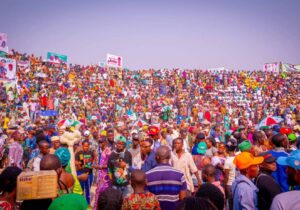
The threat is compounded by political violence. In September 2026, gunmen reportedly disrupted a Nigeria Democratic Congress gathering in Nkanu West, Enugu, injuring two people, while suspected hoodlums vandalized property prepared for a separate PDP rally.
Benue had its own share when an opposition presidential candidate was stopped from undertaking a solidarity visit to commiserate with the people. In Ebonyi, incumbent power was seen threatening the opposition, a pattern replicated by some council chairmen. In Edo State, the incumbent party chairman, on an open campaign ground, rained fire and brimstone on the opposition with threats to life. In the FCT, another council chairman of the ruling party threatened to excommunicate any voter who would not support the incumbent.
In Borno, five people believed to be wearing T-shirts campaigning against the ruling party were not only arrested but charged with trumped-up charges and are today remanded in custody. And just a few days ago, a serving minister in the present government was seen at a live televised press conference threatening to make it impossible for an opposition vice-presidential candidate from the same state, Rivers, to campaign for the 2027 election if he offends him.
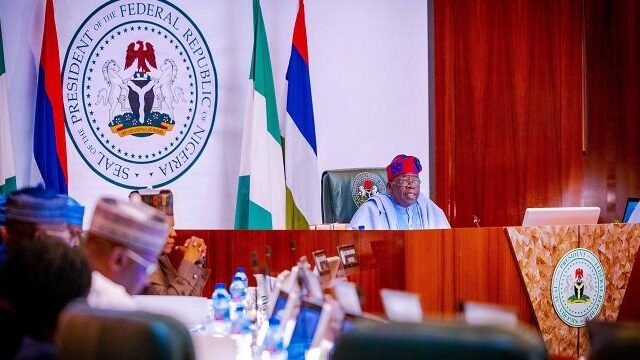
Similarly, Enugu State witnessed a second incident of political violence against the opposition during the statewide official declaration and arrival of a gubernatorial candidate, which allegedly left one person dead. This is widely believed to be a consequence of the utterance from the President himself when he said, “ALL IS FAIR IN POLITICS.”
Importantly, these incidents demand accountability and reinforce the urgent need to protect opposition gatherings nationwide.
Nigeria must act. The National Assembly should establish statutory ceilings for campaign signage fees, require objective cost-based justifications, and create expedited judicial remedies, with appropriate sanctions for discriminatory enforcement.
INEC should issue enforceable guidelines against politically discriminatory charges and monitor compliance. State signage agencies must publish complete fee schedules, permit conditions, collection records, and enforcement decisions, submitting standardized reports to INEC. Federal advertising agencies and local governments must equally be subject to transparent, non-discriminatory rules.
INEC should also coordinate a nationally consistent maximum-fee framework, while the law should guarantee equal access to designated public campaign billboards in every local government area. There should be reduced fees for opposition or new parties legally provided for in the electoral act and be enforced; a common affordable ceiling and publicly funded advertising opportunities would offer a more sustainable starting point.
Democracy requires more than voting on election day. It requires that candidates can organise, speak, assemble, and compete without financial strangulation or intimidation. The 2027 election must not become a contest in which public office grants the privilege of being seen while challengers are priced into silence. The citizens—not incumbents, signage agencies, or the highest bidders—must remain the ultimate beneficiaries of democracy.
< You can reach me via engrchukeze2014@gmail.com >