“You Are Desperate!” Presidency Blasts Atiku Over Plan to Restore Fuel Subsidy
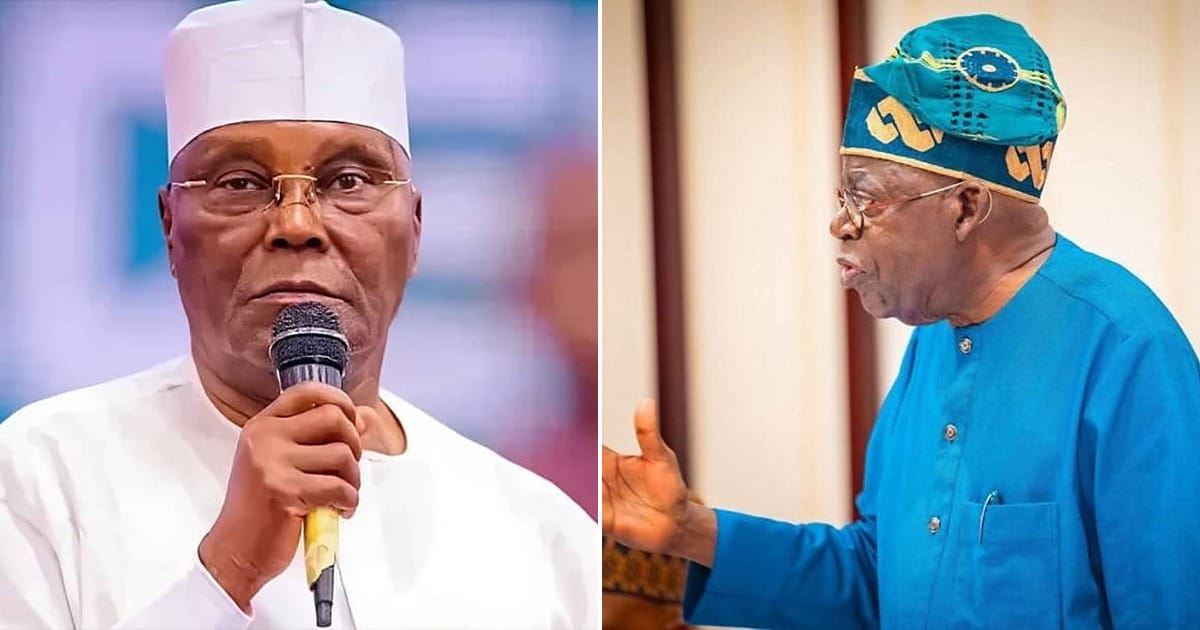
ABUJA, NIGERIA — The Nigerian Presidency has strongly criticized former Vice President Atiku Abubakar following his recent proposal to reintroduce the petrol subsidy regime ahead of next year’s presidential election.
In a sharply worded statement issued on Thursday, Special Adviser to the President on Information and Strategy, Bayo Onanuga, described Atiku’s economic blueprint as an opportunistic “volte-face” driven by a desperate quest for power.
A U-Turn on Economic Doctrine
The State House expressed surprise at Atiku’s new stance, noting that the perennial presidential candidate had previously championed the total elimination of fuel subsidies during his 2023 election campaign.
“Atiku Abubakar behaved like a man from an archaic past who least comprehends the present economic dynamics,” Onanuga stated. He added that the opposition leader has turned a “renegade” by recanting the major plank of his own economic doctrine just five months before voters head to the polls.
The Reality of the ‘N30 Trillion Windfall’
The Presidency debunked claims made by Atiku regarding hidden subsidy savings. According to the State House, the previous subsidy was not a reserve of cash sitting in the treasury but rather massive under-recovery losses absorbed by the Nigerian National Petroleum Company (NNPC) Limited.
The presidency fired back that the “N30 trillion windfall” claimed by Atiku exists only in his imagination.
On lingering debt, the government spokesman said trillions of Naira in historical subsidy costs remain on the NNPC books, unpaid by the federal government. It further argued that Nigeria’s legal framework—The Petroleum Industry Act (PIA)—has effectively ended the subsidy regime in June 2023.
Domestic Refining at Risk
A major argument raised by the Presidency is that restoring the subsidy would have crippled Nigeria’s rapidly evolving domestic refining market. The downstream sector, according to it, has transitioned from an import-dependent model to one driven by local capacity.
Onanuga emphasized that the Dangote Refinery would not have kickstarted production for local consumption if the subsidy regime were still operative. He warned that Atiku’s proposal would spell bankruptcy for smaller local refineries, such as Aradel, leading to severe job losses and a drain on foreign exchange.
Where is the Subsidy Money Going Now?
The Presidency revealed that the N15 trillion previously earmarked for petrol discounts has been redirected to the three tiers of government. The fiscal shift, it claims, has stabilized state finances, allowing regular salary payments and infrastructure development.
In July alone, the presidency says the Federation Account Allocation Committee (FAAC) shared a record N3 trillion among the federal, state, and local governments due to the abolition of fuel discounts and foreign exchange distortions.
The Tinubu administration reiterated its commitment to Compressed Natural Gas (CNG) as a viable alternative, insisting that currently, it is 70 percent cheaper than petrol, and major logistics fleets like Dangote and BUA have already adopted it.
“Political promises must be backed by fiscal arithmetic,” Onanuga concluded, urging the public to demand the full legal and financial implications of any policy reversal from political actors.