‘We Don’t Own the Airport!’ Ibom Air Blasts Rumours It Is Blocking Rival Airlines From Flying to Uyo
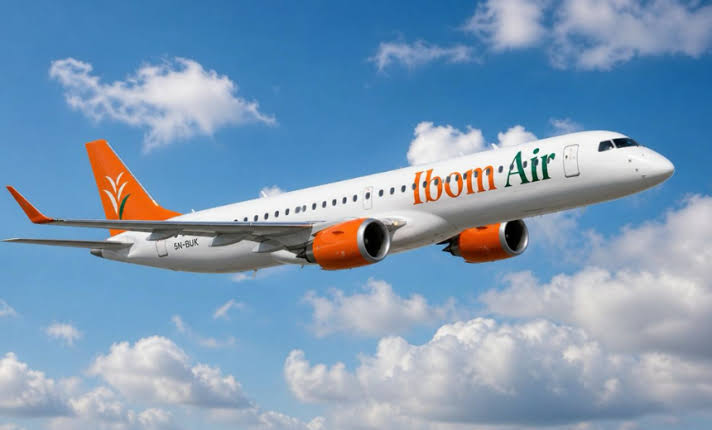
UYO, NIGERIA — Management of Ibom Airlines Limited has debunked widespread public commentary suggesting that the carrier maintains an operational monopoly or intentionally blocks rival airlines from flying into Victor Attah International Airport (VAIA) in Uyo.
In an official statement, the home-based carrier clarified that it lacks both the legal mandate and regulatory authority to dictate which airlines can access Nigerian airports.
Regulatory Power Lies Solely with the NCAA
Addressing rumours that the airline deliberately restricts the market to protect its dominant position on key routes, Ibom Air pointed directly to federal aviation laws. The company emphasized that all oversight, licensing, and operational approvals fall exclusively under the jurisdiction of federal regulators.
“Under Section 8(3) of the Civil Aviation Act 2022, the Nigeria Civil Aviation Authority (NCAA) is solely responsible for the regulation of civil aviation in Nigeria,” the statement read. “Therefore, where an airline meets the applicable regulatory and operational requirements and receives the necessary approvals, another airline cannot simply be prevented from operating by Ibom Air.”
Internal Fleet Adjustments Misunderstood as Protectionism
The airline further explained that recent fluctuations in route availability and flight schedules are driven by internal logistics rather than anti-competitive practices, noting that observers frequently mistake independent commercial decisions or capacity constraints for deliberate protectionism.
As an example, Ibom Air claimed that it has previously had to temporarily suspend services to regional hubs like Enugu and Calabar. It explained that the pauses were strictly operational measures required to complete mandatory aircraft maintenance and safety checks.
Beyond routine maintenance, the company noted that broader industry challenges—including fluctuating aircraft availability, regional fuel logistics, airport infrastructure capacity, and complex scheduling rules—frequently dictate how often airlines can fly, independent of any intentional market control.
Open Invitation to Competitors
Rather than fearing market entry from other domestic operators, Ibom Air insisted that a busier airport would trigger a positive economic ripple effect across the South-South region. The state-owned carrier maintained that increased competition at Victor Attah International Airport will provide expanded travel options and more flexible choices for daily commuters and create a competitive pricing structure and diverse fare choices for passengers.
With the ambition of becoming a travel hub, the airline argued that opening up the airport will enhance regional connectivity, linking Akwa Ibom securely to wider economic networks with a substantial boost to local tourism, hospitality, and the broader destination economy due to higher overall passenger traffic.
“As the home-based carrier, Ibom Air is proud to operate from Uyo,” the management said. “But being the home-based carrier does not confer ownership or control of the airport, nor does it give Ibom Air the power to determine which other airlines may operate there.”