Senegal Debt Crisis 2026: Hidden Spending Triggers S&P Downgrade and IMF Bailout
Senegal is facing a severe sovereign debt crisis in 2026 as its debt-to-GDP ratio skyrockets to approximately 132%, placing it among Sub-Saharan Africa’s most heavily indebted nations.
Following an explosive internal audit that uncovered billions in previously undisclosed government spending, Dakar has been forced into an aggressive debt restructuring plan to secure emergency international bailouts.
The fiscal fallout triggered immediate consequences, including a sharp sovereign credit rating downgrade by S&P Global from CCC+ to CC, plunging the West African nation deeper into junk territory.
The Root Cause: Billions in “Hidden Debt” Discovered
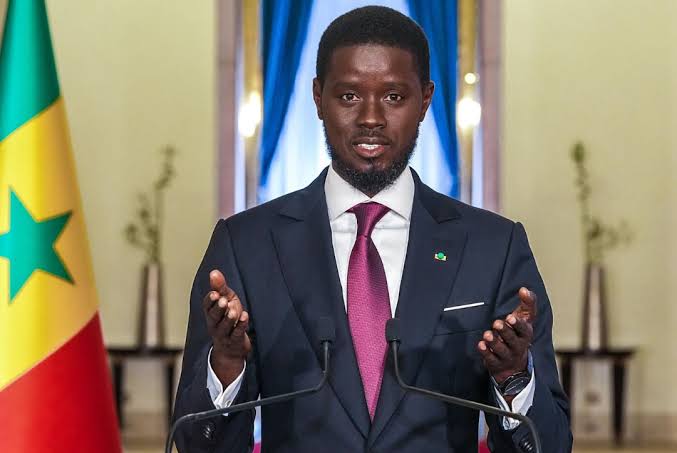
The economic turmoil intensified after the administration of President Bassirou Diomaye Faye, who assumed office in 2024, exposed widespread misreporting of the public ledger by the previous government under Macky Sall.
Global financial watchdogs estimate that between $11 billion and $13 billion in public liabilities were completely omitted from official books.
The revelation sent shockwaves through international markets, triggering an IMF suspension of an active $1.8 billion credit line, a credit rating downgrade, and a debt servicing costing an overwhelming $9.7 billion, a figure estimated to be as high as the state’s entire annual tax revenue.
Inside the 2026 IMF Bailout and Debt Overhaul Plan
To prevent total economic collapse, Senegalese authorities secured a staff-level agreement with the IMF in September 2026 for a new three-year, $2.2 billion rescue package. However, this critical financial lifeline is strictly conditional on extensive economic adjustments and a drastic policy pivot by the Faye administration.
A core component of the recovery strategy involves renegotiating terms on billions of dollars owed to international bondholders and bilateral lenders. Crucially, Senegal’s CFA franc-denominated domestic debt is excluded from the restructuring process. Because the nation shares a unified financial ecosystem within the West African Economic and Monetary Union (WAEMU), altering local currency debt terms would risk severe regional banking instability.
What’s Next for Senegal’s Economy?
The path forward demands navigating intense domestic economic pain. Before the IMF Executive Board approves the final disbursement of the $2.2 billion package, Senegal is expected to meet rigorous prerequisites. This includes locking in parallel financing guarantees from the World Bank and the African Development Bank (AfDB).
Domestically, the Faye government must implement aggressive tightening measures to restore fiscal balance, such as tax hikes, subsidy pauses, cutting back on major infrastructure projects, and strengthening its financial transparency measures.

Editor-in-Chief at Klick News