Nigeria’s Economy Reaches Turning Point, Moves From ‘Emergency Treatment’ to Shared Prosperity, Tinubu Declares
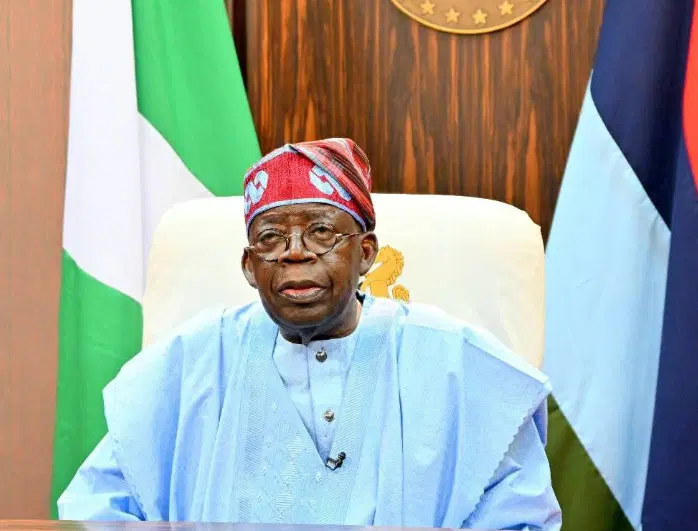
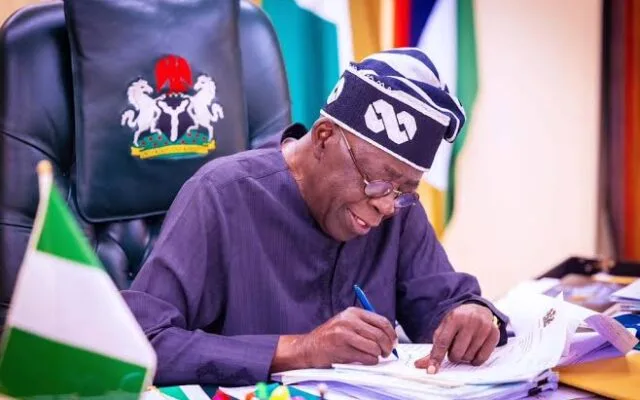
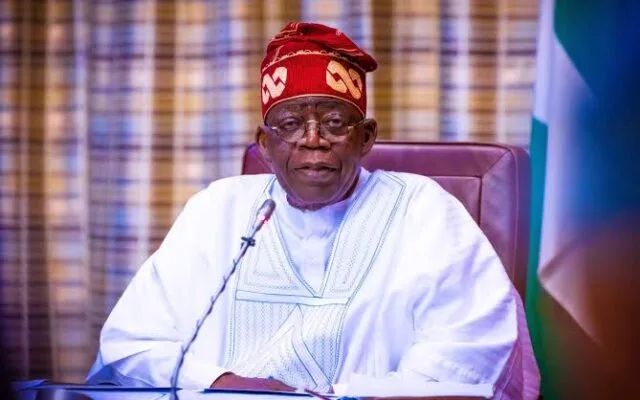
President Bola Ahmed Tinubu has declared that the era of painful economic “emergency treatment” for Nigeria is officially over.
In a nationwide address marking Nigeria’s 66th Independence Day on October 1, 2026, the President revealed that three and a half years of aggressive structural reforms have successfully repaired the nation’s economic foundations.
He announced that the administration’s primary focus has shifted from course correction to delivering shared and widespread prosperity for all Nigerians.
The Metaphor: Excising the ‘Economic Cancer’
President Tinubu compared Nigeria’s pre-2023 economic state to a patient diagnosed with cancer. He noted that previous administrations chose to mask the symptoms with short-term fixes rather than treating the underlying disease.
“For too long, Nigeria’s leaders chose morphine while praying for a miracle that never came,” President Tinubu said. “When this administration assumed office, we resolved to do things differently. We chose to excise the cancer. The reforms that followed were difficult… Yet, we must never confuse the medicine with the disease.”
He outlined milestones, which he argues have been a turning point in his almost four-year-old economic reforms, and dismissed critics and what he termed “regressive voices” calling for a return to unsustainable subsidies.
He spoke on GDP growth, saying the Nigerian economy grew by over 4 percent this year, driven by stable growth in both oil and non-oil sectors, and emphasized that Nigeria recorded its highest revenue from non-oil exports in history in 2025, exceeding $6 billion.
Still on the economic front, President Tinubu boasted that his administration has fought to deliver market stability, insisting that inflation has dropped substantially from its peak, oil theft has decreased, foreign reserves have been rebuilt, and the foreign exchange market has stabilized.
The president believes his reforms have brought global confidence to the Nigerian economy, with the rise in foreign direct investment, which he says has been validated by international observers, multilateral institutions, and the private sector.
The New Agenda: Lowering the Cost of Living
With the macroeconomic foundation restored, Tinubu outlined immediate, targeted interventions designed to reduce the cost of living by slashing production and logistical expenses.
His focus areas include targeted initiatives in agriculture and food production through expansion of mechanized irrigation systems, dry-season farming, and providing better access to seeds and fertilizer to lower food prices.
On the infrastructure side of things, the Nigerian leader promised to ensure completion of strategic roads, railways, and ports to directly connect farms and factories to markets, reducing transit costs.
Also, Tinubu announced his administration will deepen industrialization and energy investments by utilizing the country’s domestic gas to power industries and revive dormant factories in major industrial hubs.
With unemployment and underemployment still a challenge, the president plans to expand digital connectivity to underserved communities and train youth in high-demand modern skills.
Bridges Out of Poverty
Acknowledging that millions of families still struggle with daily expenses, the President emphasized that his administration cannot erase decades of low productivity overnight but is committed to changing its course.
He highlighted several safety nets acting as temporary bridges to economic stability through direct support interventions such as the direct cash transfer to the poorest households, the Nigerian Education Loan Fund (NELFUND), and the CREDICORP—a consumer credit programme to help working Nigerians finance critical assets like vehicles, solar power systems, and digital devices.
What the President Failed to Address
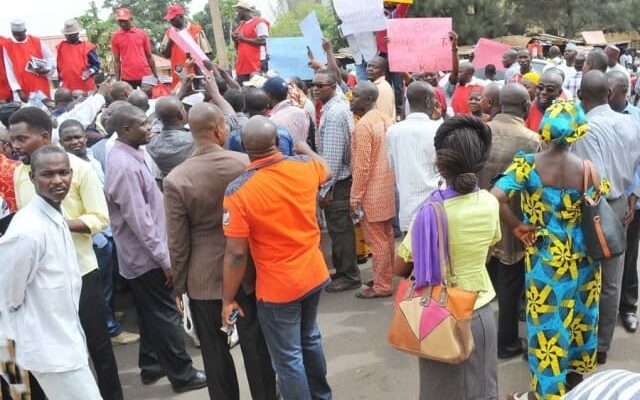
However, the president failed to address the demand for a wage increase, which has been a dominant campaign by organized labour over the past 3 years since the removal of the fuel subsidy.
Workers’ unions have repeatedly lamented that the 70,000 minimum wage (about $50) ranks among the lowest among the country’s peers and has been eroded by inflation, Naira devaluation, and high cost of transportation due to the astronomical rise in petrol price.
The workers’ union, under the aegis of the Joint National Public Service Negotiating Council (JNPSNC), had issued a 3-day warning strike from Friday, 2nd October 2026, if the president fails to address their demands, which also include a mandatory reduction in fuel pump price from the current N1,400 per litre to N500 per litre; and a minimum wage threshold of N500,000 to reflect the prevailing economic realities.
But President Tinubu instead urged Nigerians to maintain discipline and resist the “siren song” of past economic distortions, asserting that the country is embarking on its next chapter from its strongest position of economic strength in decades.

Editor-in-Chief at Klick News