Trump Declares ‘Permanent Control’ Over Greenland in New Pact With Denmark
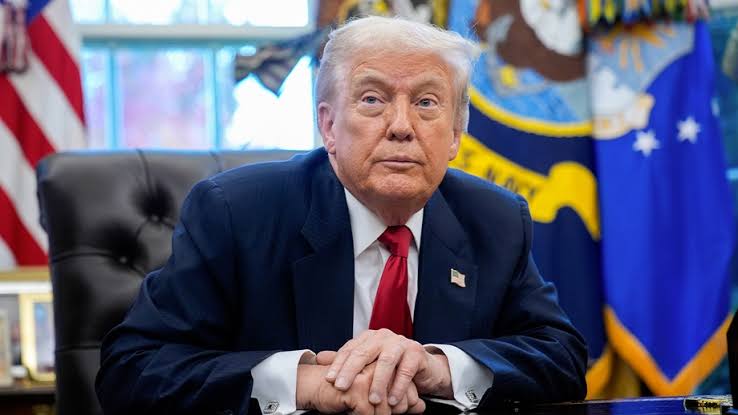
U.S. President Donald Trump announced that the United States has entered into a sweeping new agreement with the Kingdom of Denmark and Greenland, claiming it grants Washington “permanent control over security and all other needs” in the strategically vital Arctic territory.
In a statement posted to his Truth Social platform, Trump called the deal an “Infinite Life” agreement with no expiration date, asserting it completely addresses U.S. national security concerns at “NO COST to the United States.”
Trump stated that under the terms of the pact, the U.S. military will immediately begin expanding its footprint on the island, and foreign adversaries will be permanently barred from establishing military bases or making sensitive investments without express written approval from Washington.
Geopolitical Context and Background
The announcement follows months of intense diplomatic friction within the NATO alliance. Since returning to the White House, Trump repeatedly revived his ambitions to acquire Greenland, previously threatening to seize the semi-autonomous territory “one way or the other” or pull American forces out of Europe if allies resisted.
While Trump framed the pact as an unprecedented triumph, U.S. State Department officials clarified that the deal stops short of an outright territorial transfer or purchase.
Instead, it updates the existing framework of the 1951 defense treaty between the U.S. and Denmark, which already granted the U.S. broad overflight and basing rights, including the operation of Pituffik Space Base.
According to briefings reported by Reuters and CNN, the core evolution of the pact is a formal mechanism to block non-NATO adversaries—specifically Russia and China—from deploying troops, building infrastructure, or investing in Greenland’s highly coveted rare earth mineral and mining sectors.
Reactions from Denmark and Greenland
While Trump touted “permanent control,” leaders in Copenhagen and Nuuk were quick to emphasize that the agreement leaves their respective sovereignty completely intact.
Danish Prime Minister Mette Frederiksen welcomed the prospect of a formalized defense pact, stating that it “strengthens our common security in the Arctic and the North Atlantic area” and delivers a significant win for NATO and Europe.
However, she explicitly noted in a statement covered by BBC News that the final agreement “recognizes the sovereignty and territorial integrity of the Kingdom and the Greenlandic people’s right to self-determination.”
Frederiksen also reminded observers that the deal must still clear necessary parliamentary procedures in Denmark before it can officially take effect.
In Greenland, Prime Minister Jens-Frederik Nielsen echoed a cooperative sentiment but kept the focus squarely on the island’s autonomy and regional interests. Nielsen remarked that it is “gratifying that we are about to enter into an agreement that ensures and strengthens the security of Greenland.”
He emphasized that the framework “recognizes Greenland’s interests and our place in international cooperation,” framing it as a mutually beneficial arrangement for the Western alliance rather than an American annexation.
The three governments are expected to formally sign the defense agreement next week on the sidelines of the United Nations General Assembly in New York.