President Tinubu Approves $500M Digital Free Zones Initiative to Create Tech Jobs in Nigeria
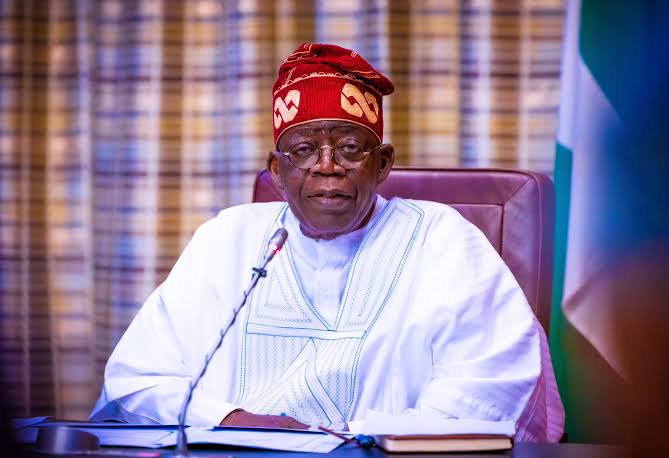
President Bola Ahmed Tinubu has officially moved Nigeria’s Digital Free Zones initiative into its implementation phase, launching a targeted effort to stop the “brain drain” of local tech startups and retain billions in intellectual property value within the country.
The “Renewed Hope” administration initiative is designed to make it seamless for Nigerian technology and service companies to raise global capital, employ local talent, and build for international markets without relocating their businesses or intellectual property (IP) abroad.
“Nigeria has the talent, enterprise, and ambition to build companies that can compete anywhere in the world,” President Tinubu stated. “Our responsibility as a government is to ensure that Nigerians do not have to leave Nigeria or rely on other jurisdictions to realise that potential.”
The 180-Day Countdown Begins
To fast-track the execution, the President has directed Dr. Jumoke Oduwole, the Minister of Trade and Investment, to coordinate with the Presidential Steering Committee and the Itana Innovation project.
Their mandate is to deliver a comprehensive roadmap for the full launch of the digital free zones within 180 days.
The move aims to modernize Nigeria’s free zone framework, which was established more than three decades ago and lacks the regulatory provisions required to support the modern internet-driven economy.
A $500 Million Tech Campus in Lagos
The initiative is already materializing through Itana, Nigeria’s premier Digital Free Zone. Licensed by the Nigeria Export Processing Zones Authority (NEPZA), Itana is a $500 million project located at Alaro City, Lagos, backed heavily by the Africa Finance Corporation (AFC).
The mega-project will combine a specialized regulatory policy environment with a physical innovation campus. By offering streamlined access to ecosystem services, it will allow African startups to scale globally while basing their corporate governance, incorporation, and taxes in Nigeria.
President Tinubu emphasized that the economic vision stretches far beyond the borders of Lagos.
The administration aims to democratize tech opportunities across every geopolitical zone, allowing engineers, developers, designers, lawyers, and accountants to participate in the global economy from their home states. “I want a young Nigerian in Kano, Enugu, Warri, Minna, Maiduguri, or Ibadan to be able to work for a global company without leaving home,” Tinubu said. “When these businesses grow here, they employ Nigerians, use Nigerian professional services, and retain more of the value they create in our economy.”
Beyond domestic job growth, the presidency notes that this modern framework will position Nigeria to capture a dominant share of digitally enabled trade under the rapidly expanding African Continental Free Trade Area (AfCFTA).

Editor-in-Chief at Klick News