NAICOM Concludes Insurance Recapitalisation: 50 Firms Cleared as Finance Ministry Halts Disputed Fees
The National Insurance Commission (NAICOM) has cleared the final seven underwriting firms, officially bringing a successful close to Nigeria’s highly anticipated, year-long insurance sector recapitalisation exercise.
With the final clearance, a total of 50 insurance and reinsurance companies have now been verified as meeting the stringent new minimum capital benchmarks mandated under the landmark Nigerian Insurance Industry Reform Act 2025.
While the regulator celebrates this milestone as a triumph for industry resilience, the exercise faces immediate friction. Ongoing lawsuits and a recent intervention by the Federal Ministry of Finance regarding disputed regulatory levies have created an undercurrent of regulatory tension.
Industry Impact: Stronger Balance Sheets, Lower Capital Flight
The successful capital hike is structurally designed to transition Nigeria’s insurance sector from a fragmented market into a robust financial ecosystem. These include enhanced underwriting, allowing for better capitalised operators to underwrite major, complex risks in high-value sectors like oil and gas, aviation, and marine infrastructure.
It also hopes to reduce capital flight by ensuring local retention limits significantly minimize the industry’s historical reliance on foreign reinsurance capacity. Industry regulators also expect it will lead to accelerated market consolidation through influx of fresh capital, possible strategic mergers, acquisitions, and intense competition as firms vie for dominant market share that could lead to deeper capital reserves.
Legal Roadblocks: Finance Ministry Intervenes Over Escrow and Fees
Despite NAICOM declaring the main verification phase closed, serious legal and administrative disputes threaten to cloud the final outcome. Industry giants NICON Insurance and the Nigeria Reinsurance Corporation have mounted stiff legal challenges against specific regulatory directives issued during the recapitalisation process.
The escalating friction has forced the Federal Ministry of Finance to intervene directly. The Ministry ordered NAICOM to suspend two controversial enforcement mandates pending a formal review of the operators’ petitions.
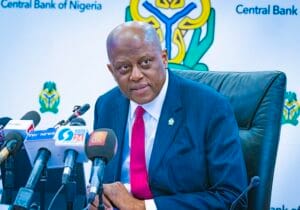
One of the new directives was the CBN Escrow mandate, which is a regulatory order requiring NICON and Nigeria Reinsurance to deposit their newly raised capital into an escrow account held with the Central Bank of Nigeria (CBN).
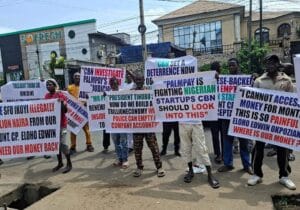
Anther area of conflict was the introduction of regulatory charges involving the enforcement of a controversial 1% capital injection fee alongside other verification-related levies.
The Finance Ministry had queried NAICOM seeking clarification of the definitive legal framework justifying the multi-million naira verification fees.
NAICOM’s primary challenge is expected to move from capital enforcement to strict supervisory governance and ensure that the newly injected capital translates into transparent corporate governance, improved risk management, and robust consumer trust.
But for the average policyholder, the metric of success remains the speed and integrity of claims settlement.