Atiku’s Subsidy Restoration: No, Mr. Atiku, Nigerians Don’t Want to Go Back to Egypt
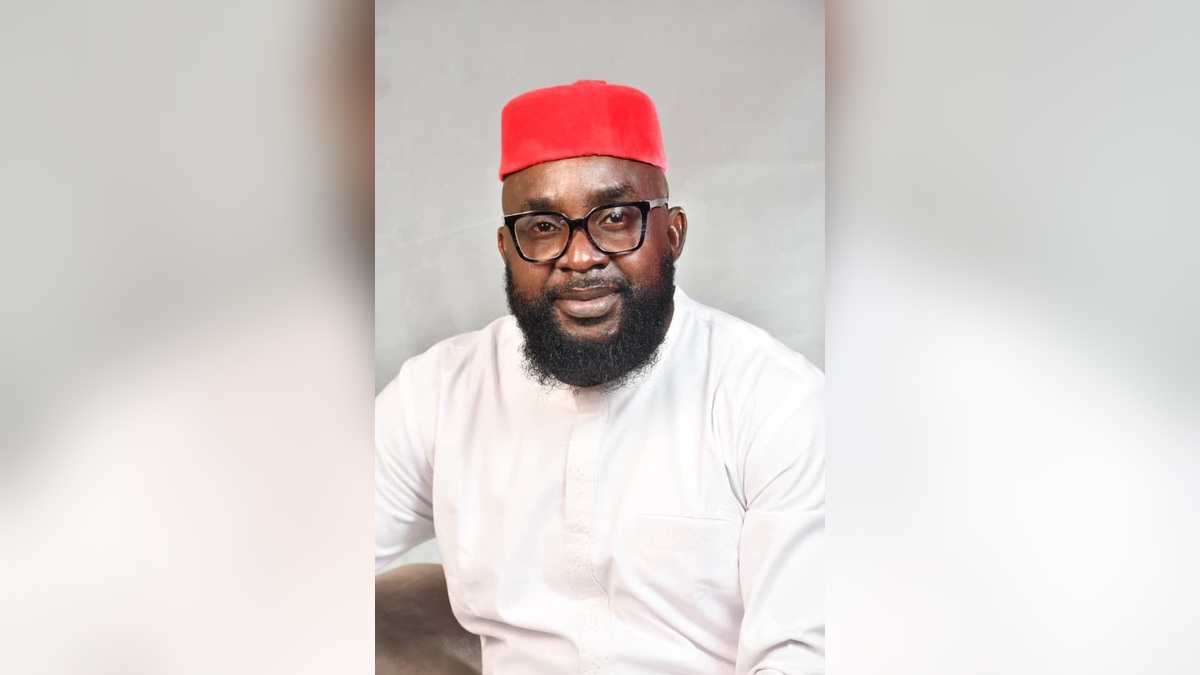
By Capt. Bishop C. Johnson
The debate over Nigeria’s fuel subsidy regime deserves sober, honest, and objective consideration. We can argue about the manner in which the subsidy was removed and the attendant hardship that followed, but the broader question of whether Nigeria should return to the old subsidy regime requires a more careful examination.
Fuel subsidy in Nigeria has been described as problematic by numerous reputable national and international organizations, as well as by many individuals within the country, including all three major-party presidential candidates in the 2023 elections, Mr. Abubakar Atiku included. There was, therefore, a broad consensus across the political divide that the existing system needed to be discontinued because it had become one of the greatest scams in the history of Nigeria’s subsidy regime.
Subsidy itself is not unusual. It is a legitimate economic instrument deployed by several countries across the globe to stabilize sectors of strategic economic interest and protect their citizens. Nigeria, for instance, continues to subsidize tertiary education through public funding in order to make higher education affordable to a greater number of citizens seeking it. The problem, therefore, is not subsidy as a concept; the problem is a subsidy regime riddled with corruption and abuse.
When Nigerians subsidize petroleum products that they are supposed to receive or use, only for those products to be criminally diverted by marketers to neighbouring countries for outrageous profits, while filling stations within Nigeria remain dry and fuel queues last for days, weeks and occur regularly, such a subsidy regime must be discontinued at all cost. A system that consumes enormous public resources without delivering the intended benefit to the citizens it was designed to protect cannot be defended as sustainable public policy.
I do not want to believe that Mr. Abubakar is angling for political power in order to restore fuel subsidy for himself and his cronies, but that is certainly how his position can sound to Nigerians who remember the failures and abuses associated with the old regime. Mr. Abubakar cannot convincingly say that he is acting solely in the interest of Nigerians if his proposed solution is to return the country to a system whose fundamental weaknesses were already widely acknowledged.
We must also not forget that the All Progressives Congress, APC, was catapulted into power in 2015 with the help of Mr. Atiku Abubakar. The political history of the country is therefore complicated, and the present debate should not be reduced to partisan rhetoric. The question before Nigerians should be what policy will best serve the country’s present and future interests.
The fuel subsidy has been removed, Nigerians have moved on, nagging fuel queues at our filling stations have largely disappeared, and the government is now receiving substantial revenues that previously went into the subsidy regime. We therefore cannot go back to the old regime of fuel subsidy. Rather, we must move forward by finding sustainable ways to bring down the cost of PMS through investment in CNG infrastructure, electric vehicles and their supporting infrastructure, fixing our ageing refineries, and attracting greater investment from the private sector and foreign governments.
It is only through the democratization and liberalization of the petroleum sector, similar in principle to what was achieved in the telecommunications sector, that Nigeria can truly and permanently bring down the cost of PMS. Competition, private investment, domestic refining capacity, and a properly functioning market offer a more sustainable solution than returning to an expensive and ultimately unsustainable fuel subsidy regime.
The cost of PMS was already dropping after the removal of the subsidy, reaching about ₦700 per litre before the Israeli-American-Iranian conflict and its implications for global energy markets disrupted the broader market environment. International energy prices are influenced by factors beyond Nigeria’s control, but with greater domestic refining capacity, increased competition and improved infrastructure, the cost of PMS can and will eventually stabilize and decline.
The benefits of the reform should also not be ignored. Today, states are receiving significantly more funding, giving many of them greater capacity to pay salaries and pensions. We are also seeing infrastructure projects springing up across the country on a scale that is difficult to ignore. These developments do not mean that Nigerians are not suffering or that government has done everything right; the hardship created by the reform is real, and government must continue to address it. But where there are gains, those gains should also be acknowledged and credited appropriately.
The objective should therefore be to make the sacrifices Nigerians are making today meaningful by ensuring that the revenues released by subsidy removal are transparently and efficiently invested in infrastructure, social services, productive sectors and long-term economic development. Government must also continue to reduce waste, fight corruption and ensure that Nigerians actually see the benefits of the additional resources now available to the country.
Let us not pretend that the removal of subsidy has been painless. It has imposed serious economic hardship on millions of Nigerians. Transportation costs increased, the cost of goods and services rose, and household purchasing power was severely affected. These consequences deserve to be acknowledged, and the government must be held accountable for how it manages the consequences of the reform and how it deploys the revenues generated from it.
But acknowledging the pain does not mean returning to the problem that created the situation in the first place. Nigeria must sacrifice today so that future generations do not have to go through the same pain of removing an entrenched and unsustainable subsidy regime all over again. We cannot continue borrowing from the future to subsidize the present, particularly when that subsidy is vulnerable to corruption, diversion and abuse.
The answer is not to resurrect the old system but to fix what is broken. Nigeria should invest aggressively in domestic refining, expand CNG infrastructure, develop the infrastructure necessary for electric vehicles, attract private and foreign investment, liberalize the sector and encourage genuine competition. We must also insist on accountability for every naira saved through subsidy removal.
Fuel subsidy was as much a scam as it was unsustainable. Nigerians deserve an energy system that is transparent, competitive, efficient and capable of delivering affordable petroleum products without placing an indefinite burden on the public treasury.
Mr. Atiku Abubakar deserves respect as a major Nigerian political figure and as someone who has participated in the country’s political and economic debates for decades. His concerns about the hardship created by subsidy removal should not be dismissed. Nigerians are entitled to debate the timing, process and consequences of the reform. But respectfully, restoring the old fuel subsidy regime would be a step backward.
We should give credit where it is due, put blame where it belongs, and, above all, put Nigeria’s long-term interests ahead of political considerations. The subsidy has been removed; Nigerians have moved on. Our responsibility now is to make the reform work, protect the most vulnerable, ensure accountability and build an energy sector that no longer requires Nigerians to carry the enormous burden of an unsustainable subsidy system.
We must move forward, not backward.
No, Mr. Atiku. Nigerians do not want to go back to Egypt.
Capt. Bishop C. Johnson, US Army (rtd), is a national defense and military strategist and a political commentator.