Atiku’s Economic Claims Anchored in Past Data, Nigeria’s Economy Bounced Back to $377B — Presidency
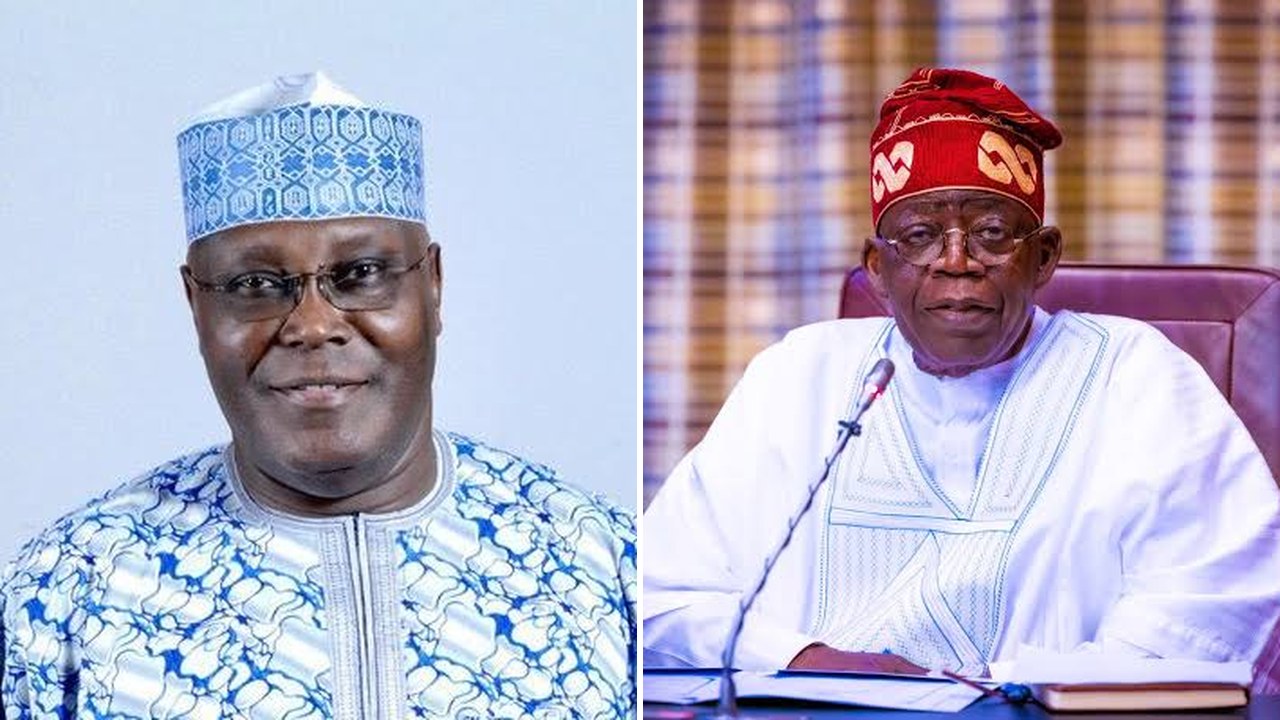
ABUJA, NIGERIA — The Presidency has fired back at former Vice President Atiku Abubakar, dismissing his criticisms of President Bola Ahmed Tinubu’s economic reforms as “misplaced concerns” rooted in outdated 2024 data rather than Nigeria’s current 2026 economic reality.
In a point-by-point rebuttal titled “Facts, Not Fear: A Point-By-Point Response to Atiku Abubakar on Nigeria’s Reform Journey,” the State House defended its fiscal policies, revealing that Nigeria’s dollar-denominated GDP has rebounded by 49 per cent to approximately $377 billion, up from the $253 billion post-adjustment trough recorded in 2024.
According to the statement, Naira GDP has similarly expanded by 69 per cent, climbing from ₦314 trillion in 2024 to around ₦530 trillion in 2026, driven by heightened economic activity and structural adjustments.
Chronological Misalignment: “A Debate Anchored in 2024 Cannot Explain 2026”
The State House criticized the opposition’s reliance on historical fiscal data to judge an ongoing economic transformation.
“Reforms are processes, not events. Judging a reform programme solely by its earliest and most painful phase is like judging chemotherapy by the nausea it induces while ignoring the remission it seeks to achieve,” the Presidency stated.
The administration maintained that the painful adjustments of 2024 were necessary to correct long-standing market distortions, including those left unresolved during the Obasanjo-Atiku administration between 1999 and 2007.
Debt and Fiscal Health Under Control
Responding to Atiku’s allegations of fiscal recklessness and excess borrowing, the Presidency argued that debt must be evaluated alongside economic capacity and revenue efficiency.
It argues that Nigeria’s debt-to-GDP ratio stands at barely 40%, lower than peer nations like South Africa (85%), Egypt (80%), Kenya (75%), and advanced economies like the USA (130%).
It also dismissed debt servicing pressures, explaining that the debt service-to-revenue ratio has dropped sharply from nearly 100% in December 2022 to less than 60% today.
The Federal Government says its borrowings are strictly earmarked for long-term infrastructural growth rather than recurrent consumption.
One where and how the fuel subsidy was used, the Presidency noted that the subsidy removal has directly boosted true federalism by expanding the Federation Account allocations. It insists states and local governments now command higher statutory allocations, enabling increased subnational spending on roads, schools, hospitals, salaries, and pensions.
The Presidency also flatly denied claims that the administration is over-taxing citizens, calling Atiku’s assertions “uninformed” and “an attempt to deceive.” It says the l ongoing tax reforms are designed to be progressive, reducing the financial burden on low-income earners (making ₦1 million or less annually) and small businesses (with turnovers under ₦100 million).
Conversely, it argues that the system tightens compliance for high-income earners and profitable enterprises that previously operated under the radar.