As Nigeria’s External Debt Hits $145bn, Group Backs Obasanjo, Demands Halt to Fresh Loans
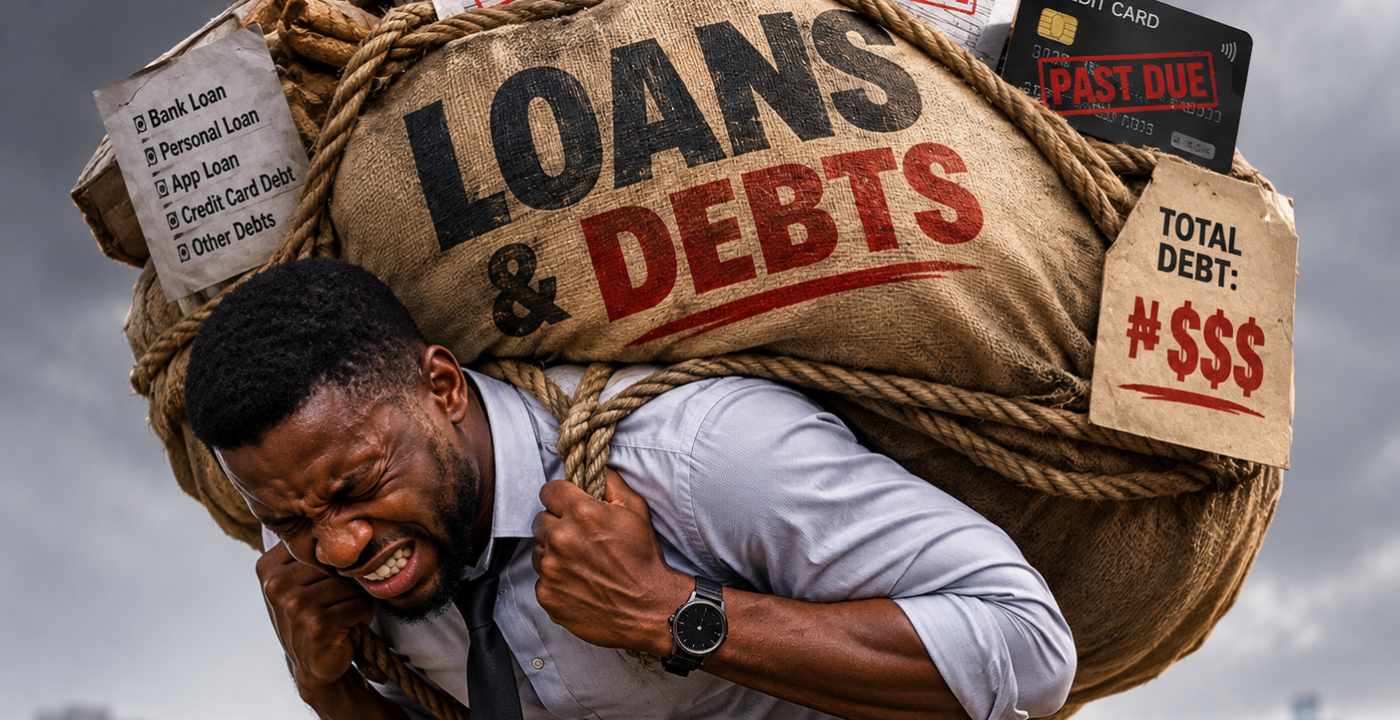
ABUJA, NIGERIA — The Human Rights Writers Association of Nigeria (HURIWA) has called on the National Assembly to urgently intervene and halt the federal government’s escalating external borrowing, warning that the country risks sliding into absolute debt dependence and mortgaging the future of unborn generations.
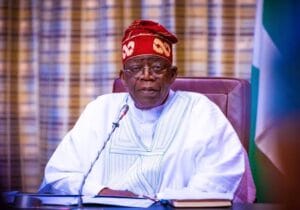
In a press statement signed by its National Coordinator, Comrade Emmanuel Onwubiko, the rights group urged President Bola Ahmed Tinubu to place an immediate moratorium on foreign loans.
HURIWA threw its weight behind recent warnings by former President Olusegun Obasanjo, who cautioned that excessive national debt “destroys generations.”
The association pointed to data from the latest World Bank International Debt Report 2026, which revealed that Nigeria’s external debt skyrocketed from $83.21 billion in 2015 to $145.02 billion by December 2025—marking a massive $61.8 billion accumulation over a ten-year period. According to the report, the $145.02 billion debt portfolio consists of $62.4 billion in public and publicly guaranteed debt, $54.476 billion in private non-guaranteed debt, and $28.139 billion in short-term obligations.
HURIWA expressed deep concern over the escalating cost of servicing these foreign commitments. The group noted that Nigeria’s debt-service-to-exports ratio surged by 9.6 percent in 2025, while debt service relative to gross national income (GNI) climbed by 6.9 percent.
The rights group strongly criticized the terms of Nigeria’s $2.3 billion sovereign bond issuance in 2025, which included a 10-year bond at an 8.625 percent interest rate and a 20-year bond at 9.125 percent, warning that such expensive financing from private international creditors poses a significant risk to the country’s fiscal sustainability.
Furthermore, HURIWA raised transparency concerns regarding a $5 billion Total Return Swap transaction entered into by Nigeria in 2026. The three-year maturity arrangement reportedly required Nigeria to pledge domestic securities worth approximately $6.7 billion as collateral—a 133 percent collateralization ratio.
“Such financing arrangements expose the country to collateral, margin call, refinancing, and transparency risks,” Onwubiko stated, demanding that the Federal Government provide full disclosure on the assets pledged, repayment obligations, and specific terms of the deal.
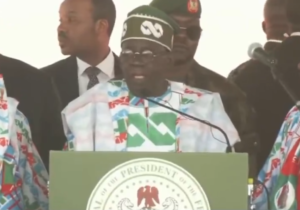
The statement also brought to the fore the widening policy rift between President Tinubu and former President Obasanjo. At a recent symposium in Abeokuta, Ogun State, Obasanjo described debt as “worse than leprosy”, directly challenging President Tinubu’s stance that borrowing is acceptable as long as the government possesses the capacity to repay. President Tinubu has consistently defended his borrowing plans, including a pending request before the National Assembly for $20.5 billion and €1.45 billion, arguing they are vital to upgraded infrastructure, improved electricity, and achieving a $1 trillion economy by 2030.
However, HURIWA countered that infrastructure goals cannot justify endless, unchecked borrowing. The association questioned why the government is seeking massive injections of foreign credit when it claims to have boosted internal revenues following the removal of the petrol subsidy.
Backing worries previously raised by the Nigeria Labour Congress (NLC), HURIWA challenged lawmakers to exercise their constitutional oversight by thoroughly scrutinizing all fresh borrowing requests. The group called for an independent audit of Nigeria’s total debt exposure, including contingent liabilities and complex offshore financing mechanisms.
“Nigeria must begin to build an economy that relies more on productive capacity, industrial development, exports, agriculture, and efficient revenue generation rather than continuous foreign borrowing,” the statement concluded.

Ebidowei Preye is a Nigeria-based security correspondent for Klick News, covering insurgency, national security, oil bunkering, pipeline vandalism, and other security-related developments across the country.