ANALYSIS: Understanding Recent Judicial Precedent in U.S. Birthright Citizenship and Trump’s Latest Executive Order
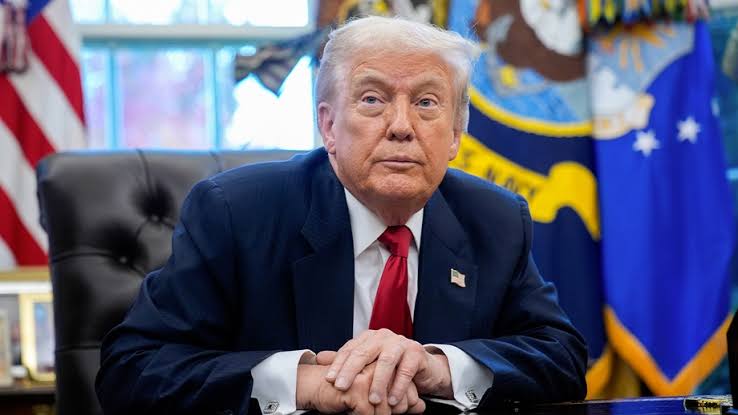
President Donald Trump on Thursday signed an executive order to restrict birthright citizenship. It comes a month after the U.S. Supreme Court ruled against his previous executive order on grounds that it negates the provisions of the constitution.
Trump v. Barbara Case
In the landmark 2026 case Trump v. Barbara, 609, the U.S. Supreme Court ruled 6–3 that children born on U.S. soil to parents who are undocumented or temporarily present are automatic United States citizens under the Fourteenth Amendment.
Decided on June 30, 2026, the opinion authored by Chief Justice John Roberts struck down the Trump administration’s Executive Order 14160. This order had attempted to restrict automatic birthright citizenship based on parental immigration status.
The Core Legal Dispute
The lawsuit originated after President Donald J. Trump issued Executive Order 14160 on January 20, 2025, during his first week back in office. The order instructed federal agencies to deny citizenship recognition to children born in the U.S. if their mothers were unlawfully present or held only temporary visas.
The administration’s legal rationale rested on a reinterpretation of the Fourteenth Amendment’s Citizenship Clause, which states, “All persons born or naturalized in the United States, and subject to the jurisdiction thereof, are citizens of the United States.”
The government argued that undocumented immigrants and temporary visitors are not truly “subject to the jurisdiction” of the United States in a constitutional sense because they owe their primary allegiance to foreign powers. Therefore, they claimed, their children do not automatically qualify for citizenship.
The lead plaintiff, “Barbara”—a Honduran asylum seeker—alongside other foreign national families, challenged the order with representation from the American Civil Liberties Union (ACLU). They argued the policy violated over a century of legal precedent and explicit constitutional text.
How the Justices Voted
The U.S. Supreme Court split along a 6–3 line, with two conservative justices joining the liberal wing to form the majority.
The dissenting Justices argued the executive order was constitutional based on originalist interpretations of “jurisdiction.”
The Majority Opinion.
The majority opinion of Chief Justice John Roberts, explicitly rejected the administration’s “revisionist view” of history and the Constitution.
Relying on textual and historical context, the Court traced the Citizenship Clause back to English common law, noting it was specifically designed to overturn the infamous Dred Scott v. Sandford decision and establish a clear, geography-based rule for citizenship.
The court also placed heavy reliance on its 1898 landmark ruling in United States v. Wong Kim Ark. That case established that children born in the U.S. to foreign nationals are citizens, provided the parents are not foreign diplomats or occupying enemy forces.
The majority reasoning went further to clarify that the Constitution makes no distinction based on parental legal status, holding that the Executive Branch cannot alter constitutional citizenship definitions through policy changes.
Espousing further, Roberts emphasized that the term “subject to the jurisdiction” simply means being bound by and answerable to U.S. laws, which applies to anyone physically present within the country’s borders.
The Dissenting Arguments
Justice Clarence Thomas led the dissent, supported by Justices Neil Gorsuch and Samuel Alito. The dissenting justices argued from an originalist perspective, asserting that the framers of the Fourteenth Amendment intended “jurisdiction” to mean full political allegiance.
Under this interpretation, since foreign nationals and temporary visitors retain political allegiance to their home countries, their children do not fall under the automatic protections of the Citizenship Clause. They argued the administration acted within its scope to safeguard the integrity of American citizenship.
The Aftermath and Broader Impact
By invalidating Executive Order 14160, the Supreme Court preserved the status quo of territorial citizenship that has governed the U.S. for more than 130 years. The decision blocks future administrations from unilaterally ending birthright citizenship via executive action.
However, the legal boundary established in Barbara has pushed the administration toward alternative enforcement strategies. Because the ruling protects children once they are born on U.S. soil, the administration has pivoted to stopping pregnant foreign nationals from arriving in the first place through aggressive border screenings and targeted visa crackdowns on “birth tourism” syndicates.

Editor-in-Chief at Klick News