How An Ancient Treasure of Benin’s Stolen Artifacts Became a Centre of Modern Conflict
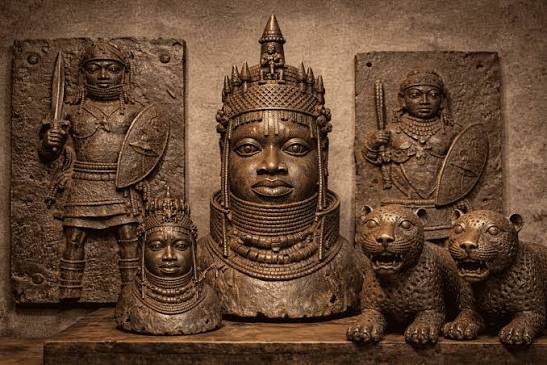
The plot began in the 19th century. British colonial forces went on a conquering and plundering spree. They found in the ancient Benin Empire a treasure that shocked the supposedly civilized European power.
‘These people were supposed to be savages, primitive, illiterate, and ignorant,’ they may have wondered! Yet here was a trove of skillfully crafted brass plaques and carvings of ivory and metal sculptures.
In 1897, the British soldiers looted them, and it was later put on display at the Royal British Museum as the Benin Bronzes.
The Return Campaign
For decades, Nigerian officials, the Benin Palace, historians and global cultural campaigners have pressed Western institutions to return the looted works. It gradually became a stark reminder of the dark era of pre-colonial savagery for contemporary Britain that prides itself as a symbol western civilization, projecting the values of a modernity.
The sustained campaigns gained momentum as European museums and governments finally bowed to growing pressure to address pre-colonial and colonial-era acquisitions.
The Benin bronzes were finally returned, and in March 2023, Nigeria’s then leader, Muhammadu Buhari, issued an official gazette recognising the Oba of Benin as the owner and custodian of repatriated Benin artefacts, a decision that reshaped the debate over where the works should be kept and who should manage them.
Palace and Government at Odds
That federal decision did not end the controversy in Edo State. Instead, it intensified questions over the future of Museum of West African Arts (MOWAA), a cultural institution originally conceived as the Edo Museum of West African Art (EMOWAA) and later rebranded as the Museum of West African Art.
At the centre of the dispute were two competing visions. The Benin Palace had argued that the returned artefacts are royal and spiritual heritage taken from the kingdom and should be housed under the authority of the Oba.
Former governor Godwin Obaseki’s administration, meanwhile, pursued a broader cultural district anchored by MOWAA, with a focus on research, conservation, exhibitions, and West African art.
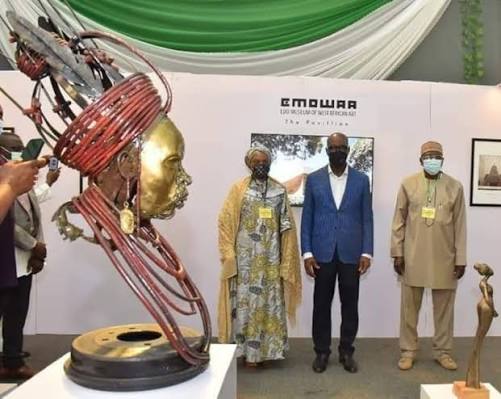
The disagreement deepened after the project’s name changed from the Edo Museum of West African Art to the Museum of West African Art. Supporters of the palace said the change weakened the project’s connection to Benin and Edo heritage, while MOWAA’s backers said the new name reflected a wider regional mission.
The site itself also became contentious. The project was developed on land associated with the former Benin Central Hospital, a move that drew criticism from residents and palace supporters who questioned the handling of the land and the museum’s governance structure.
In November 2025, protests disrupted MOWAA preview events in Benin City, forcing the evacuation of guests, including foreign diplomats, and the postponement of planned opening activities.
MOWAA said it did not claim ownership of repatriated artefacts and described itself as an independent, non-profit institution.
Panel Report and Next Steps
To address the crisis permanently, Governor Monday Okpebholo subsequently set up a special committee chaired by Adams Oshiomhole to review MOWAA’s ownership, funding, and legal status.
The committee submitted its report on Thursday and recommended that the facility should not be demolished but renamed in a way that reflects Benin royal ownership.
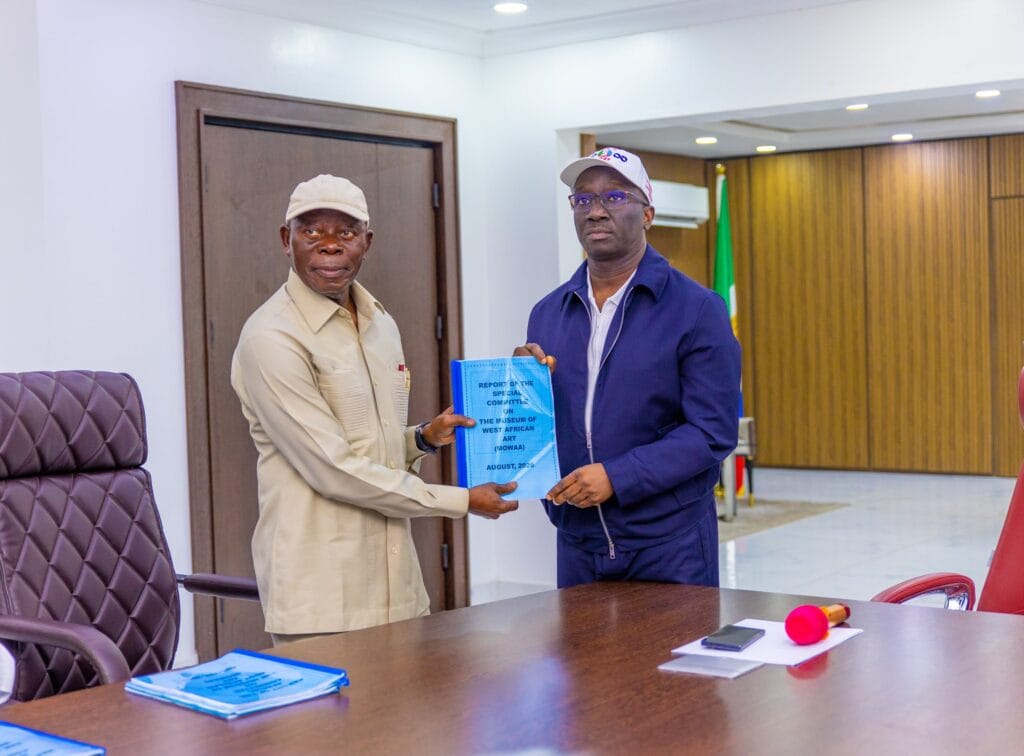
According to reports on the committee’s findings, the panel said the Obaseki administration spent ₦3.8 billion in public funds on the project. It also questioned claims attributed to MOWAA management that more than $18 million had been received and spent on land acquisition and archaeological work, saying the claims were not substantiated by the evidence before it.
The panel recommended renaming the facility the Benin Royal Museum of African Art and transferring its management to the Oba of Benin. Oshiomhole argued that the traditional institution would provide continuity beyond changes in elected government.
What Happens Next
Receiving the report, Okpebholo said his administration would study the recommendations and prepare a White Paper through the appropriate government channels.
The state government’s White Paper is expected to determine whether the panel’s recommendations become official policy.
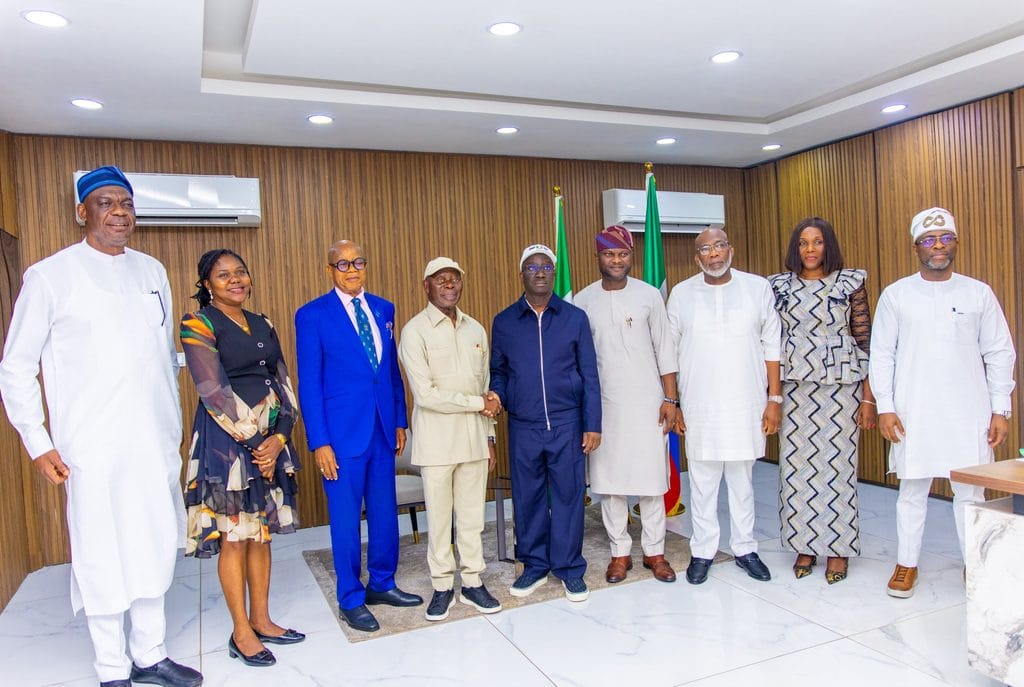
Until then, MOWAA’s future remains tied to negotiations among the Edo State Government, the Benin Palace, federal cultural authorities, donors, and the museum’s trustees.
The dispute leaves Edo State with a delicate challenge: preserving a major cultural facility while resolving questions of legality, public funding, royal custodianship, and public trust. It also underscores the wider complexity of returning looted African heritage, where repatriation is only one part of a larger contest over ownership, memory, and institutional authority.

Editor-in-Chief at Klick News